Alma
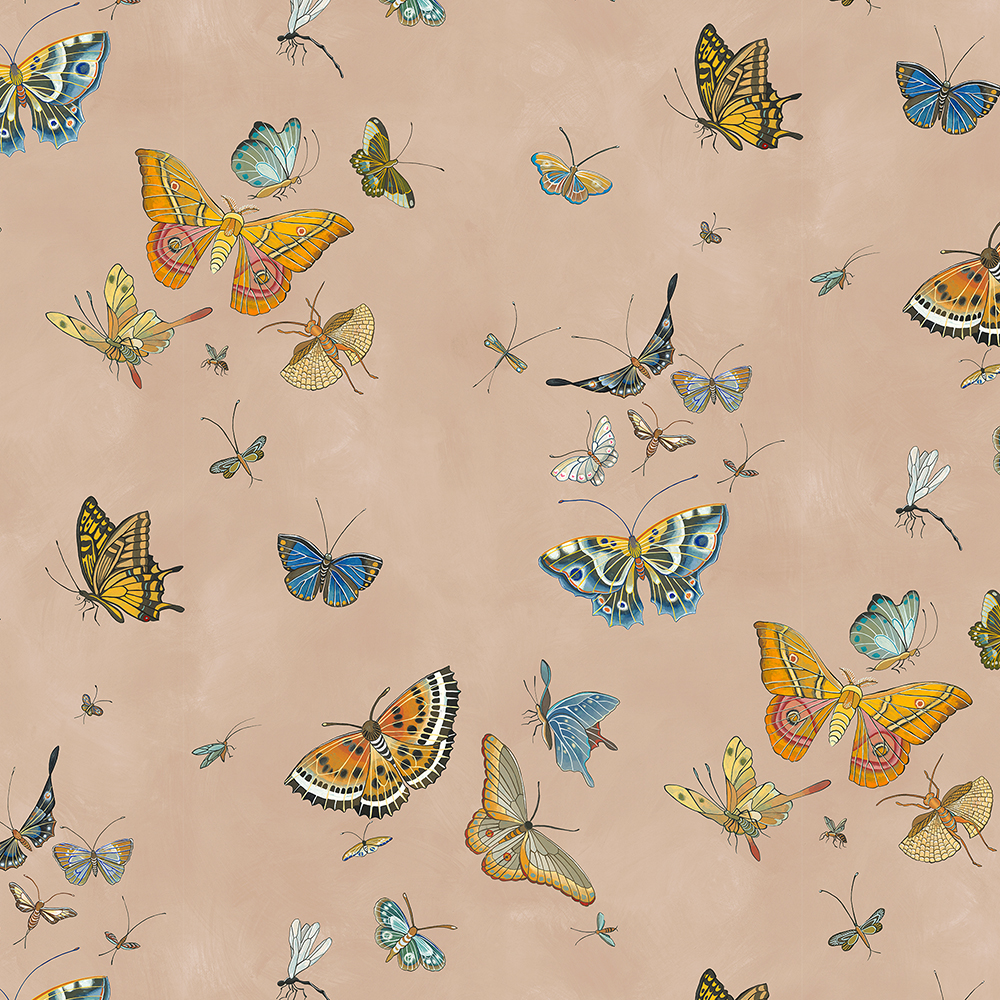
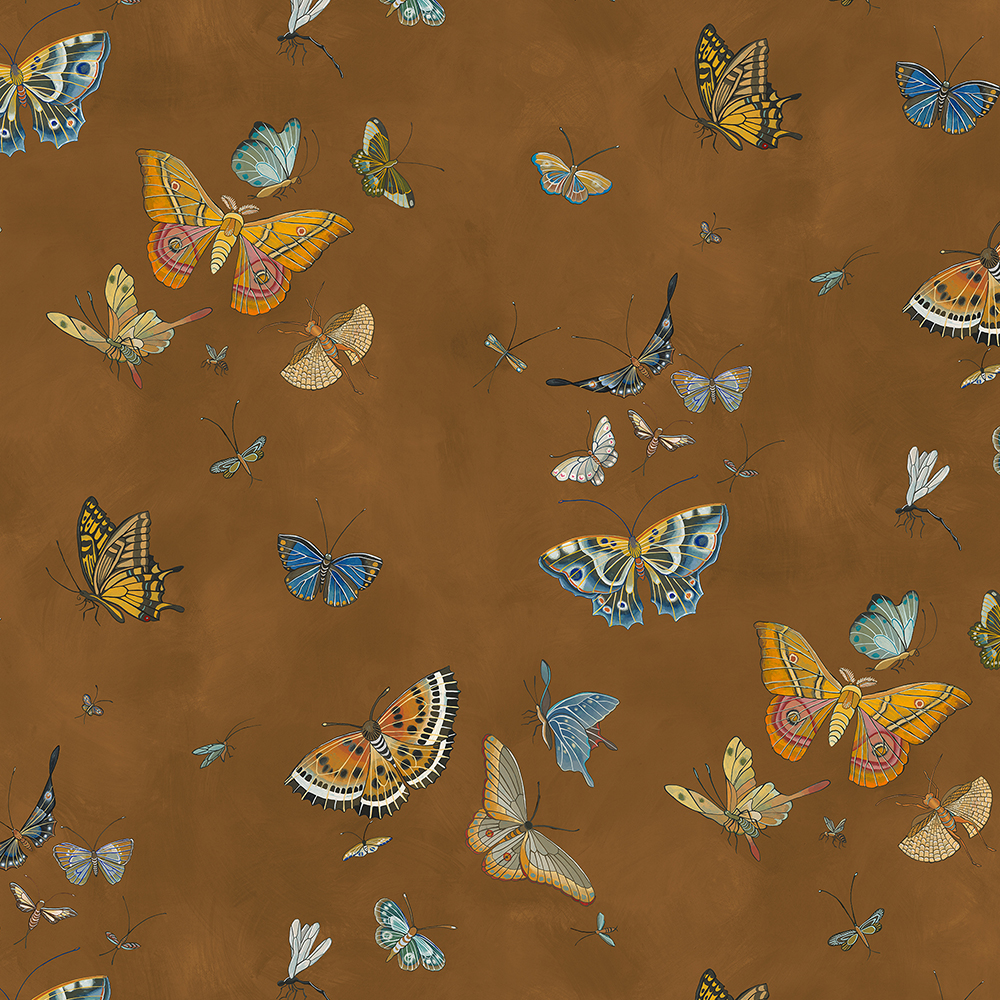
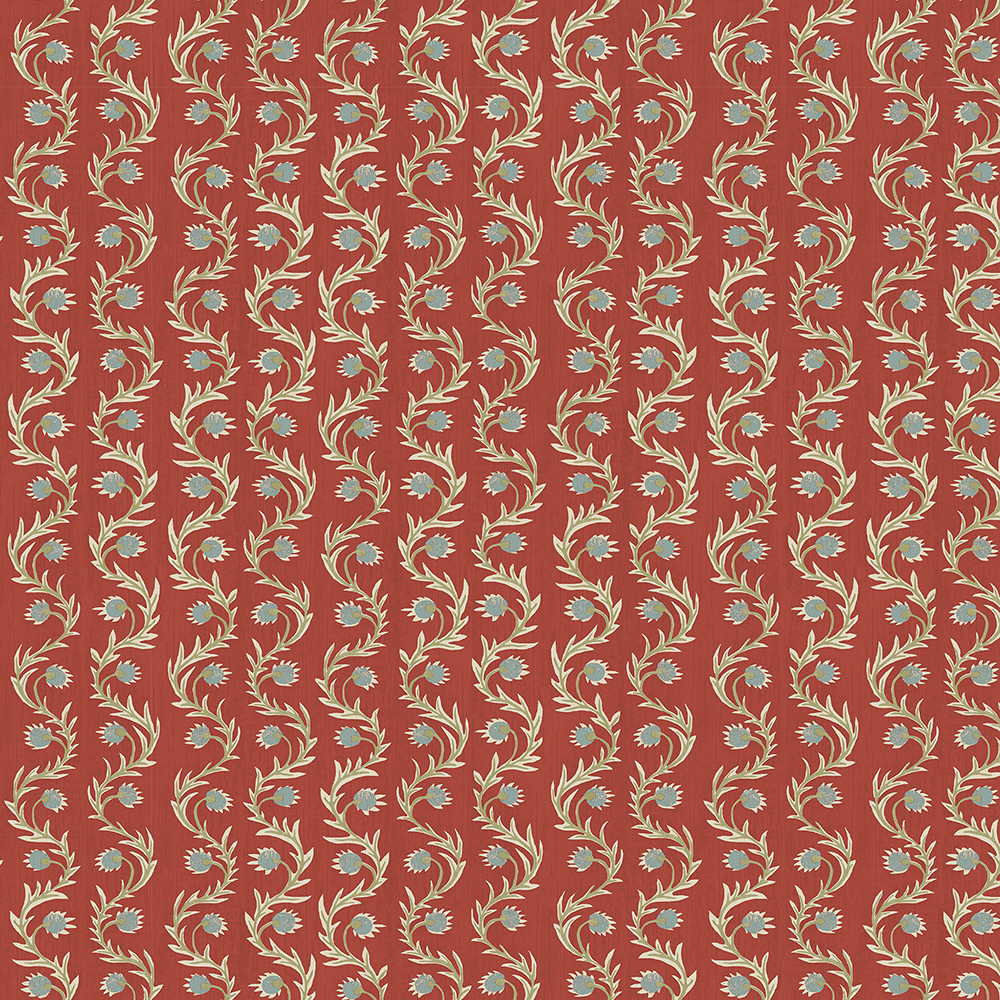
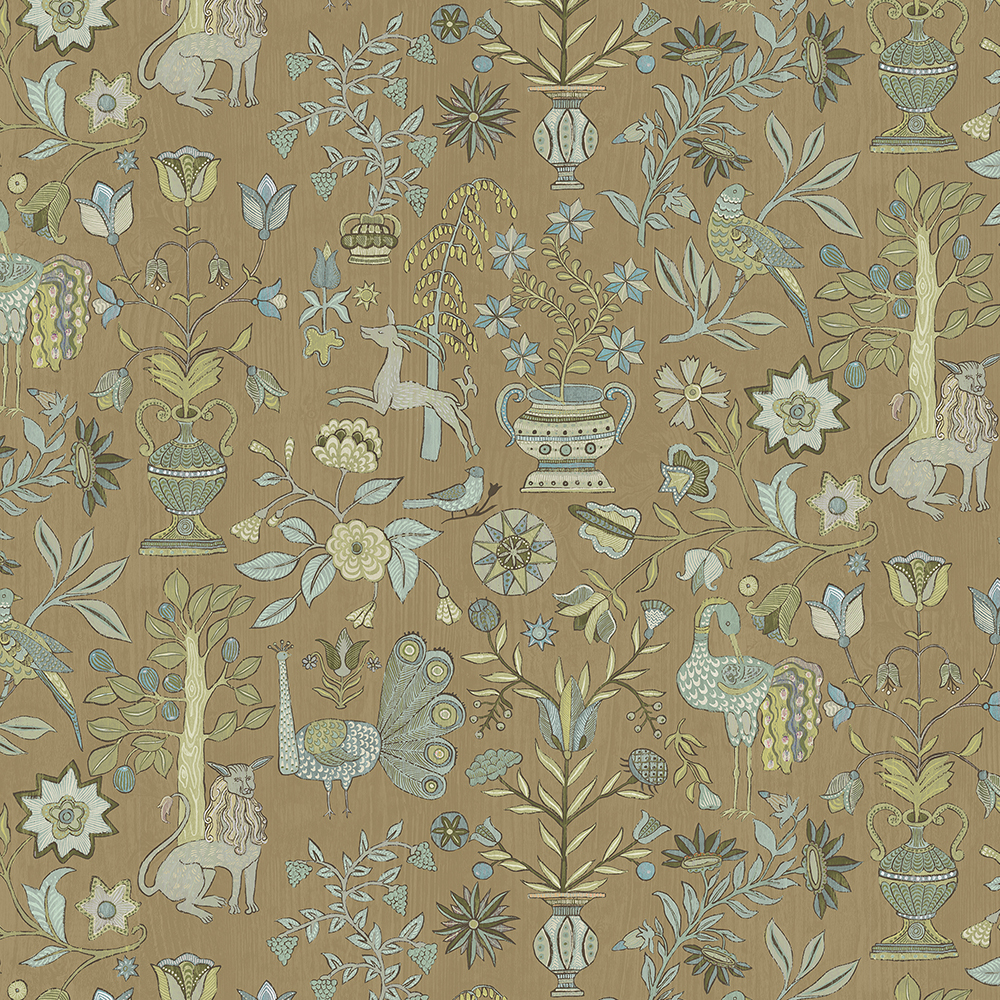
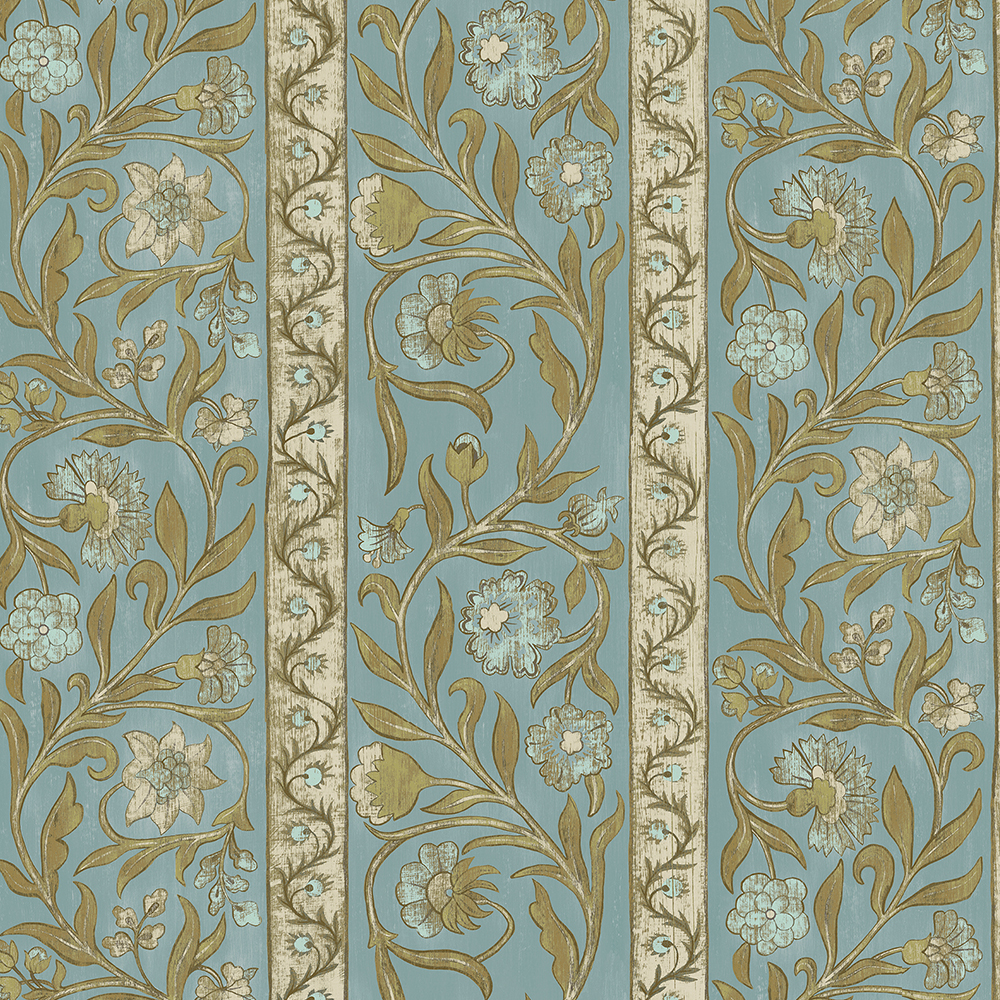
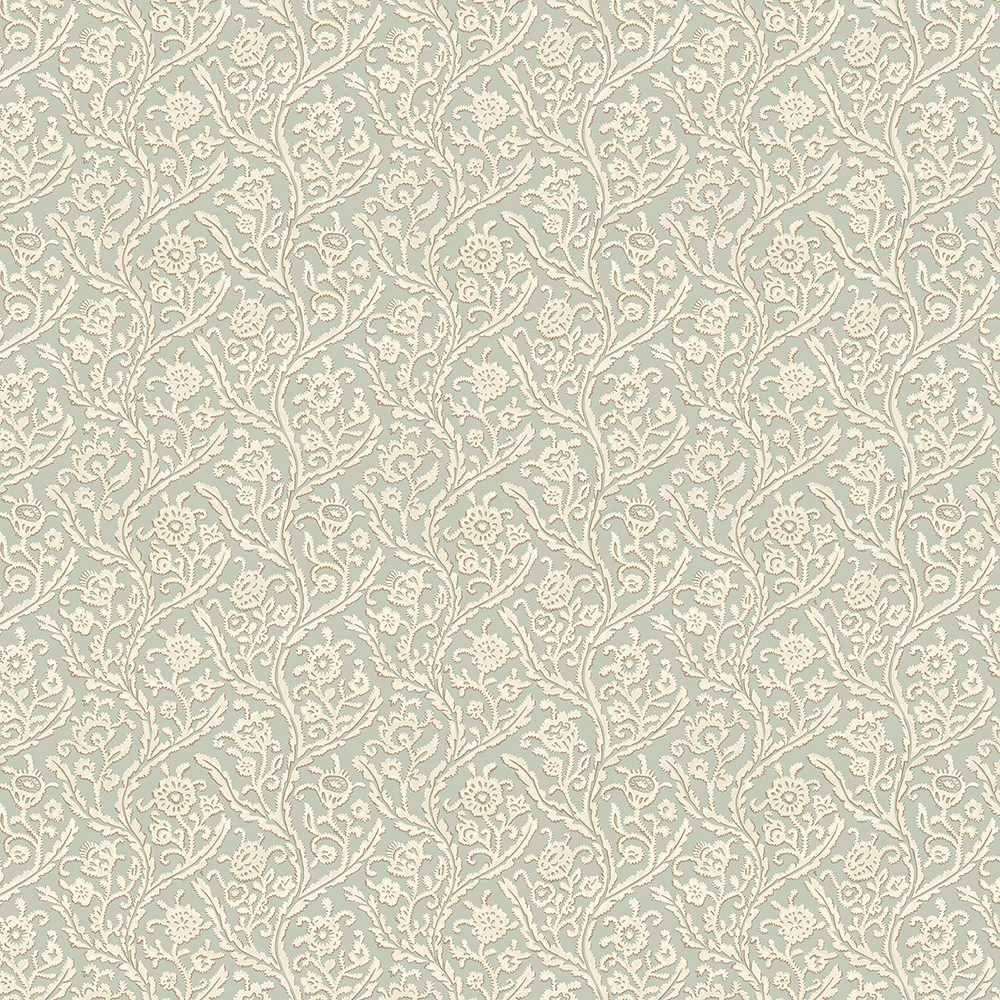
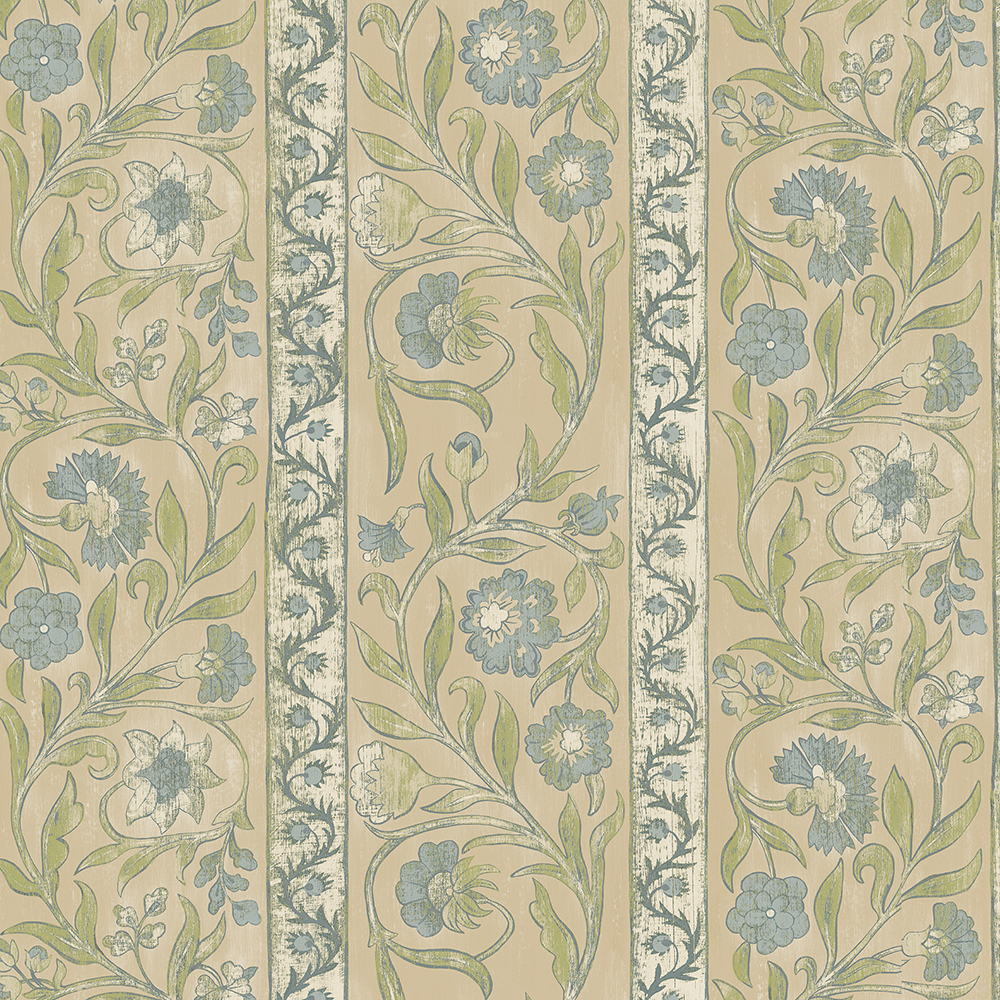
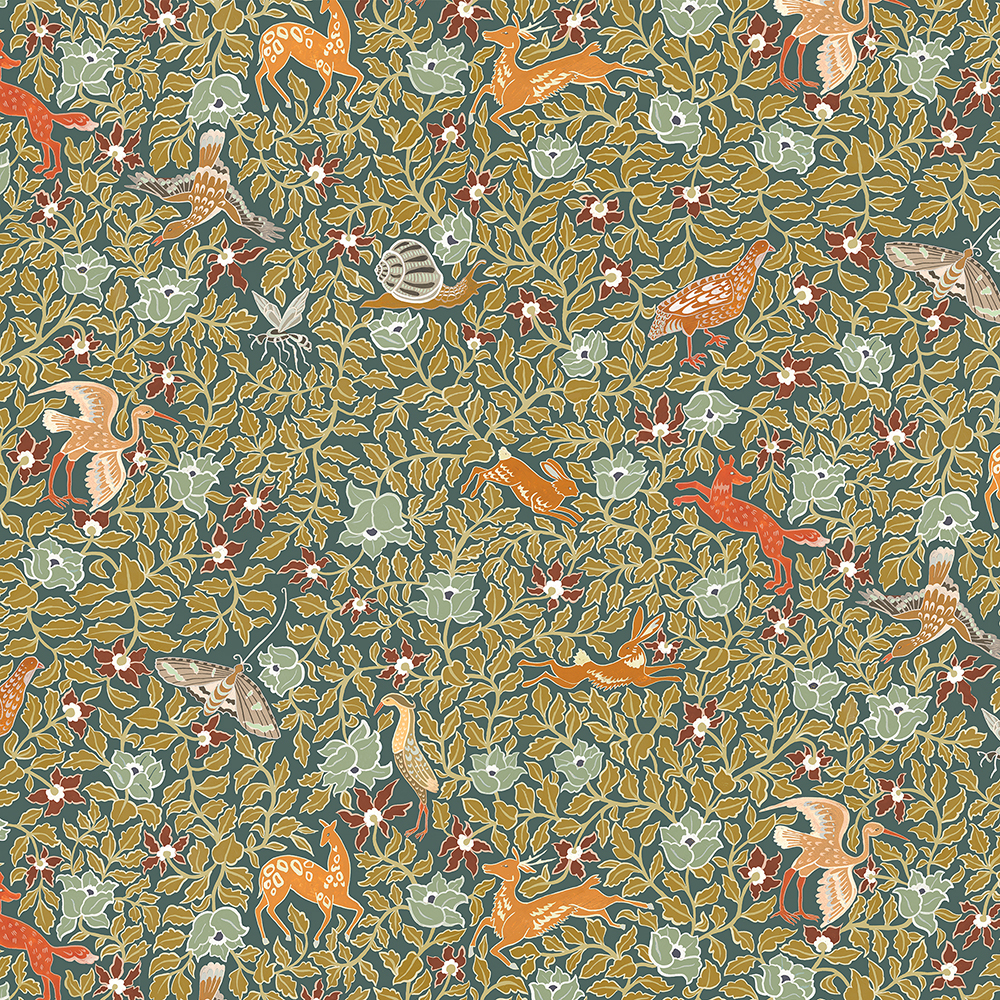
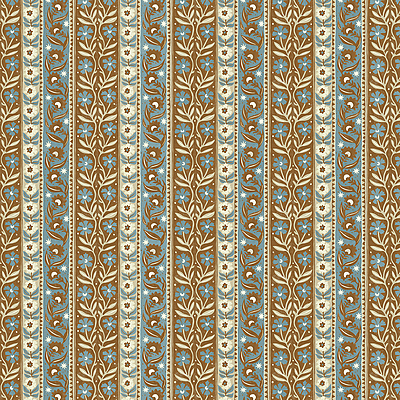
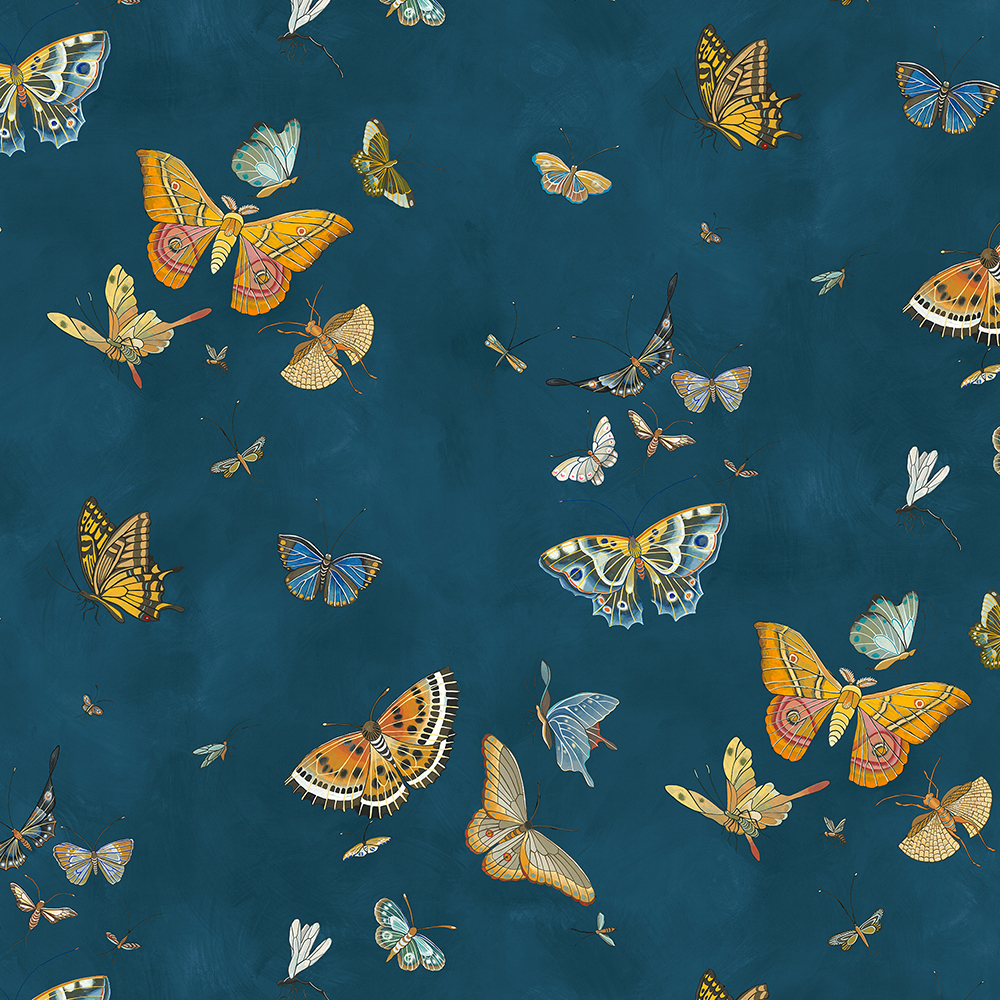
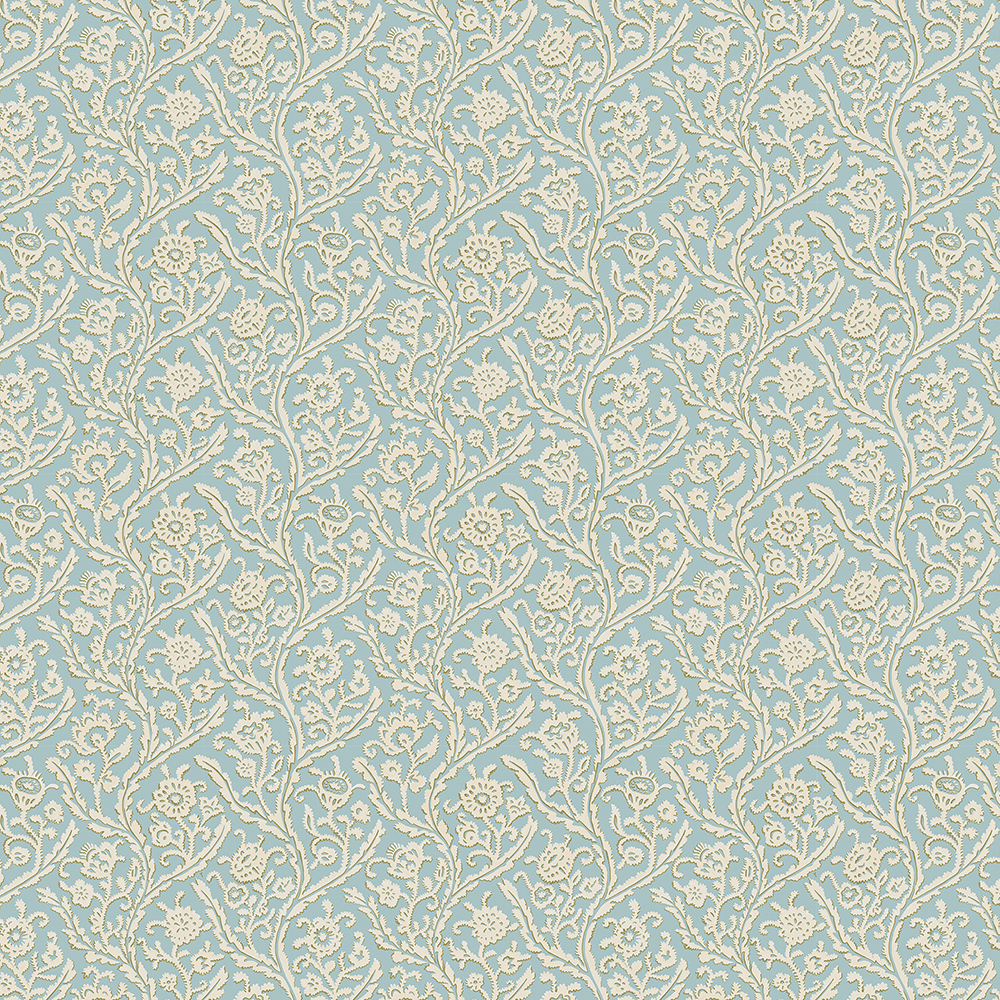
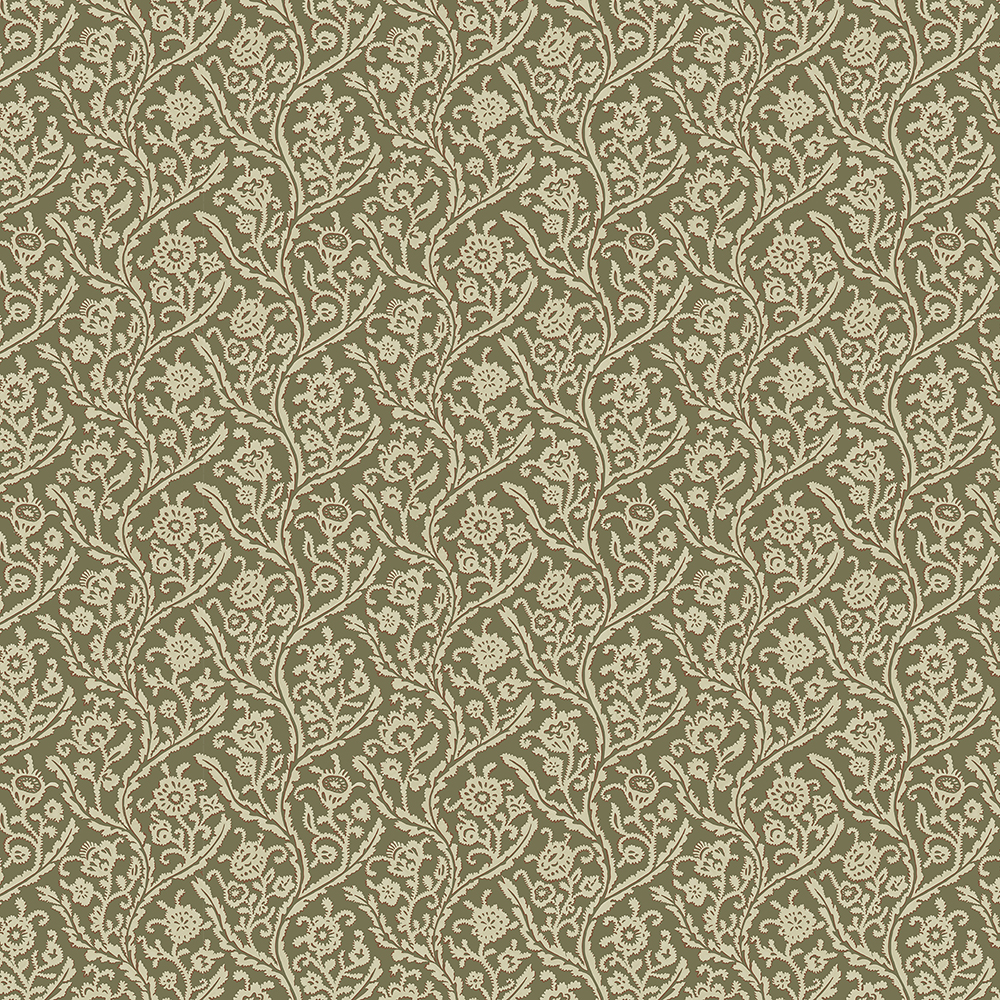
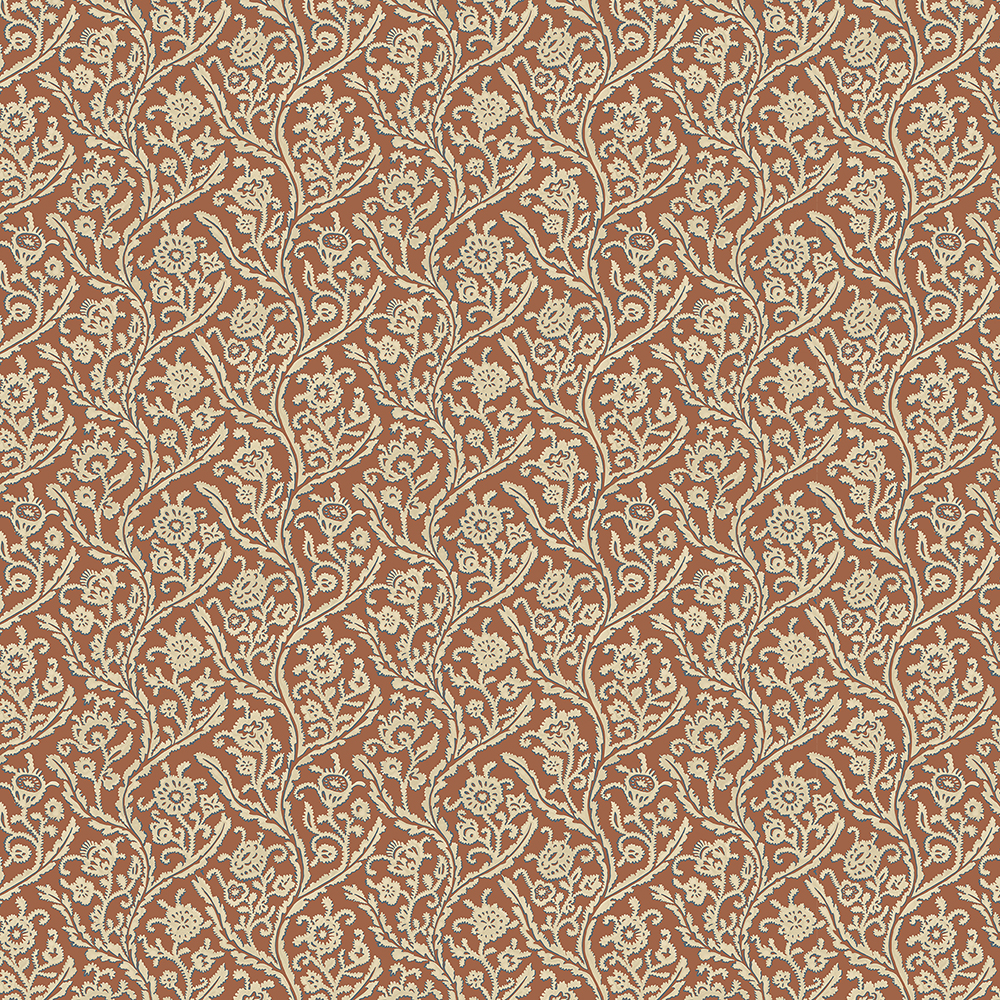
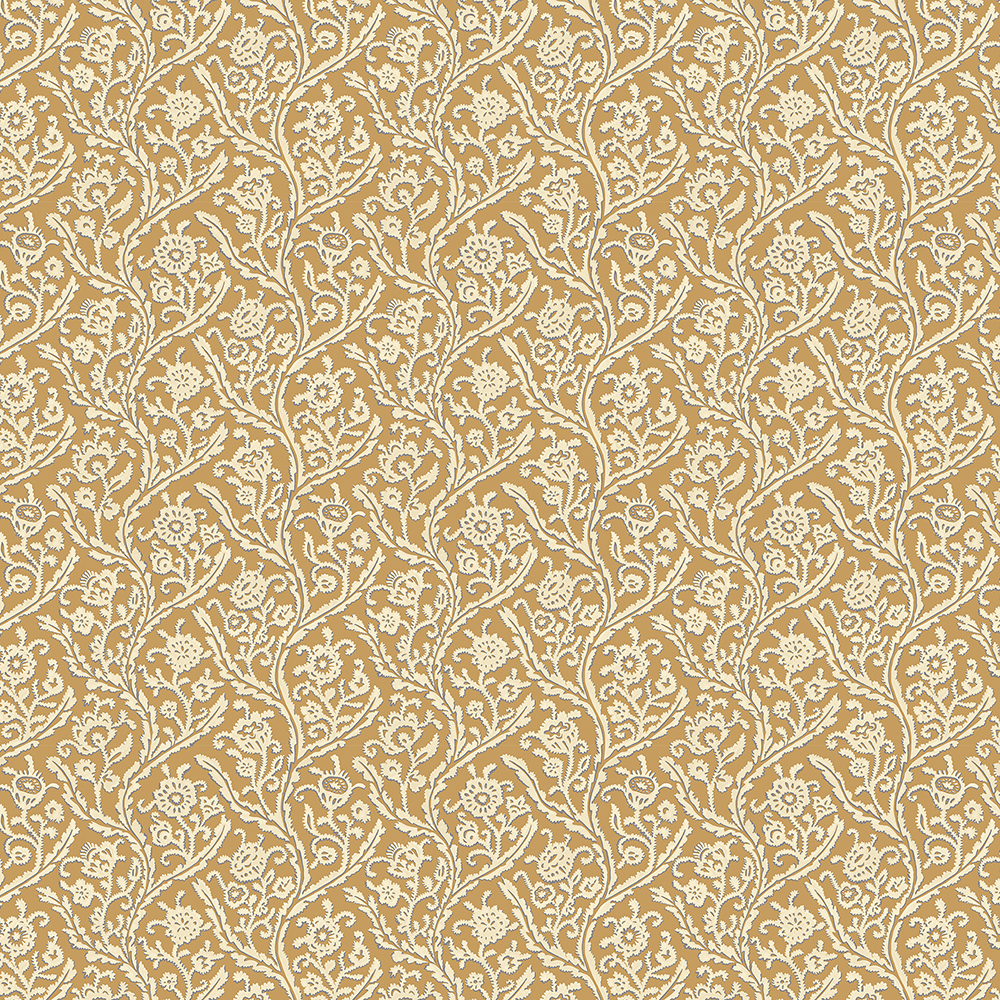
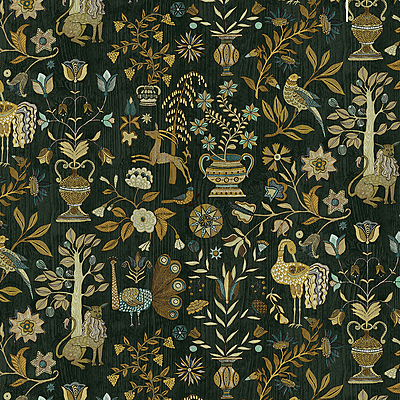
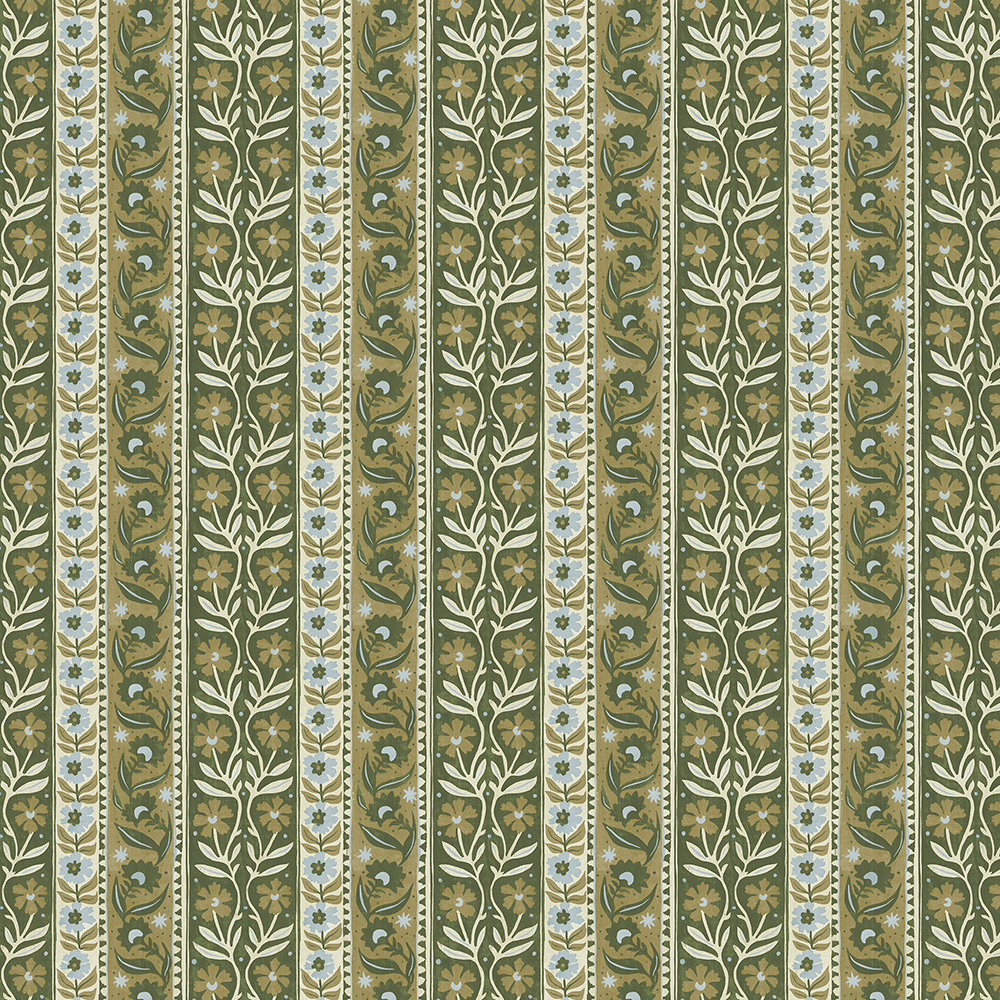
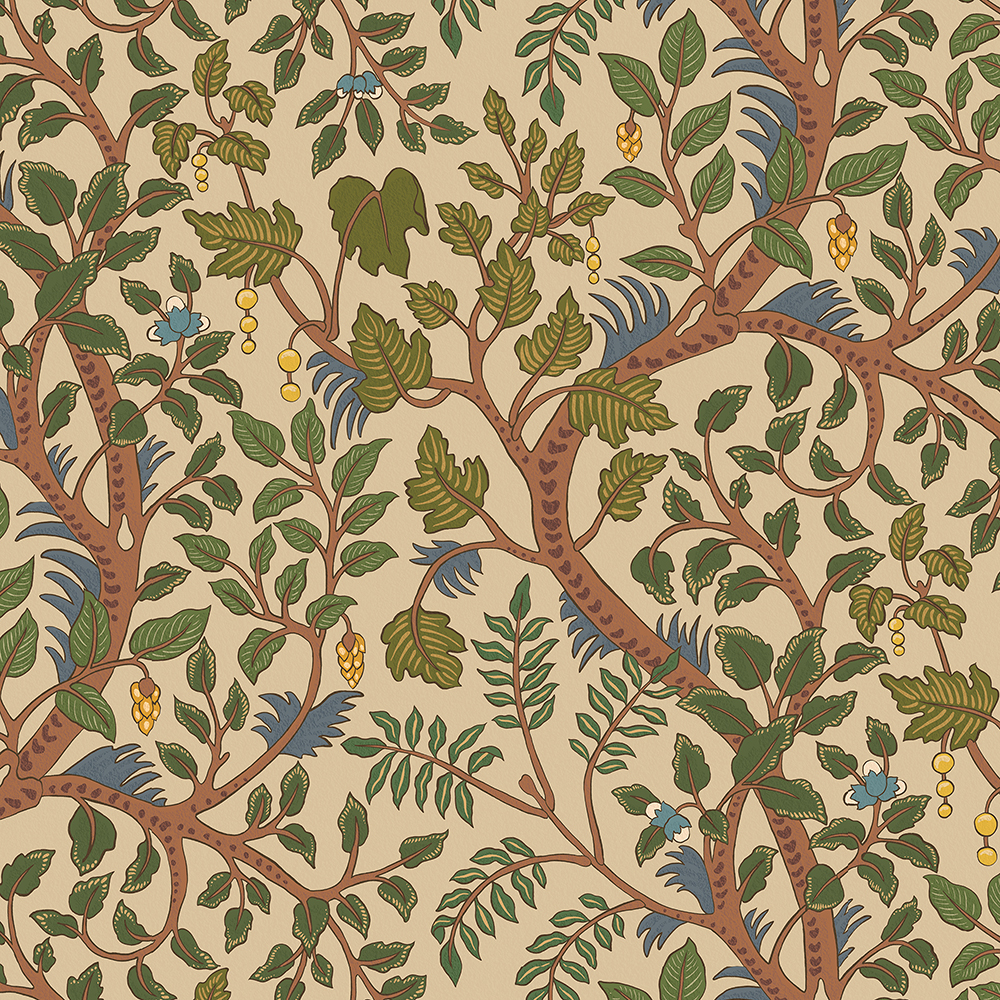
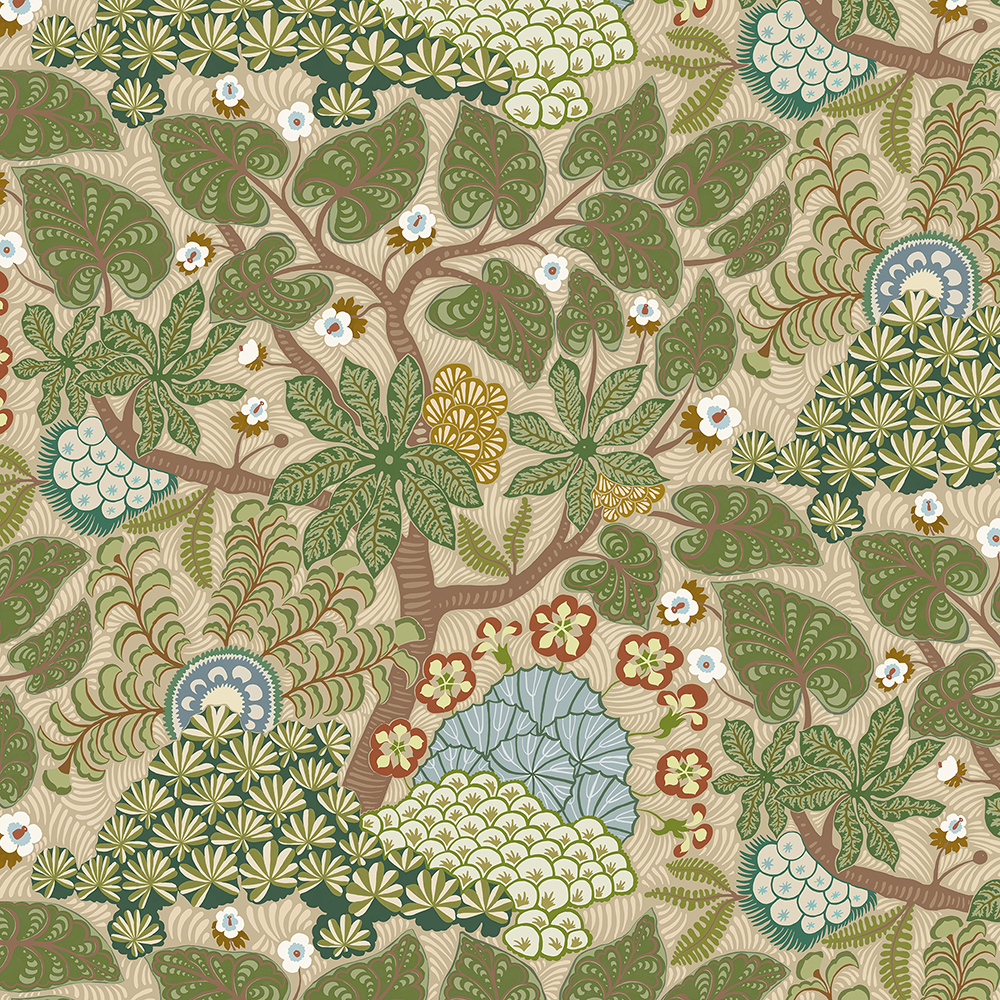
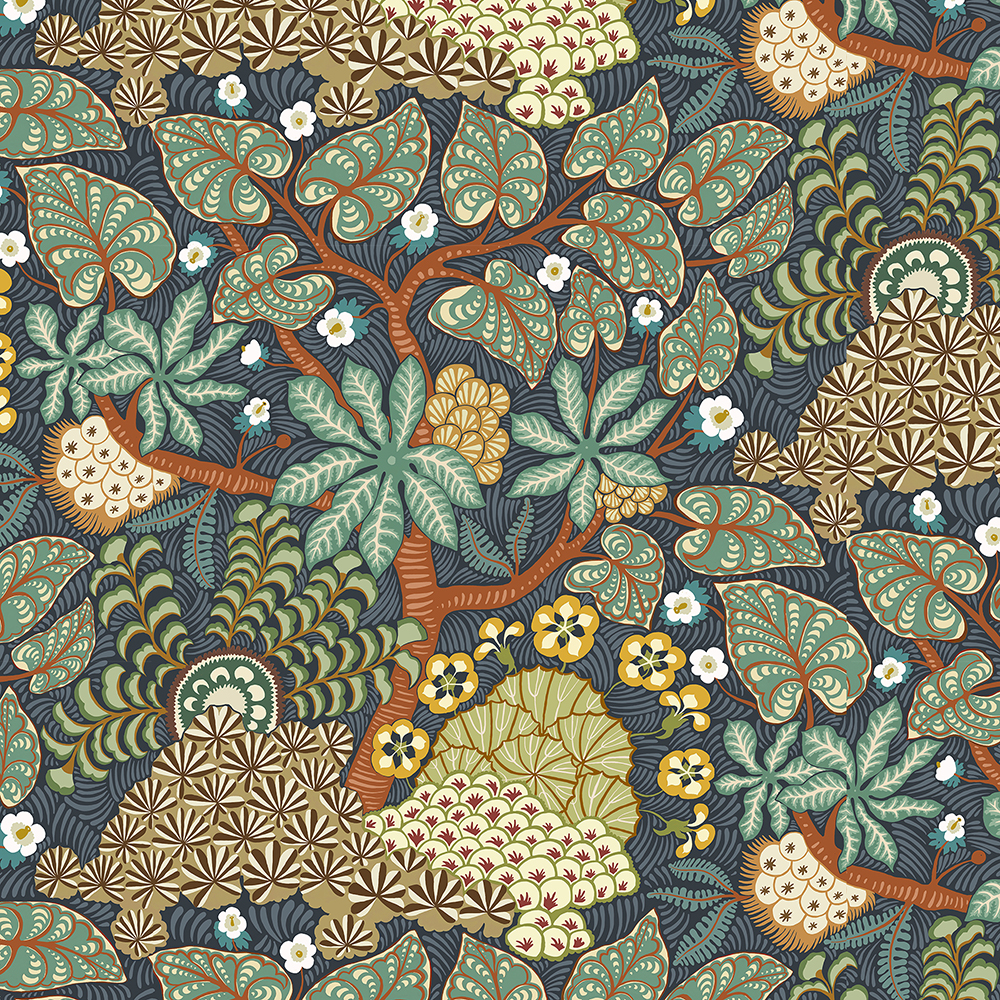
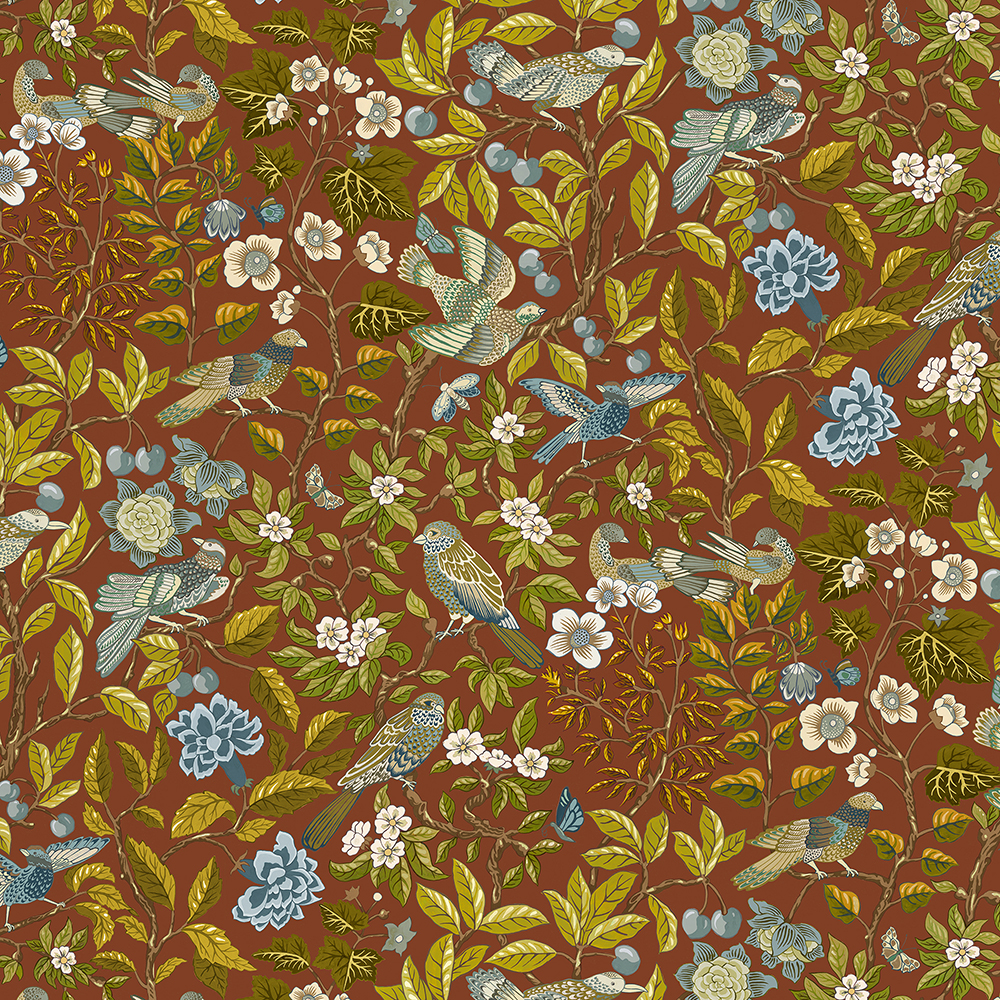
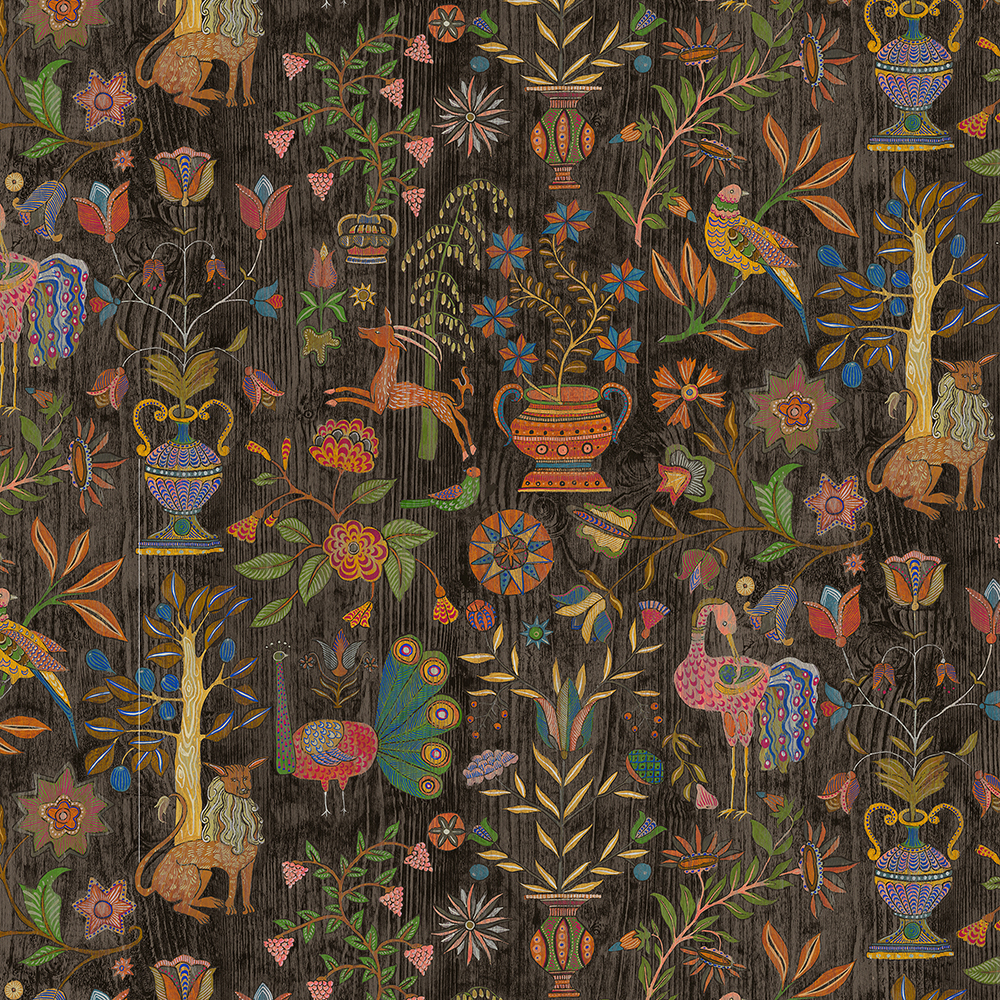
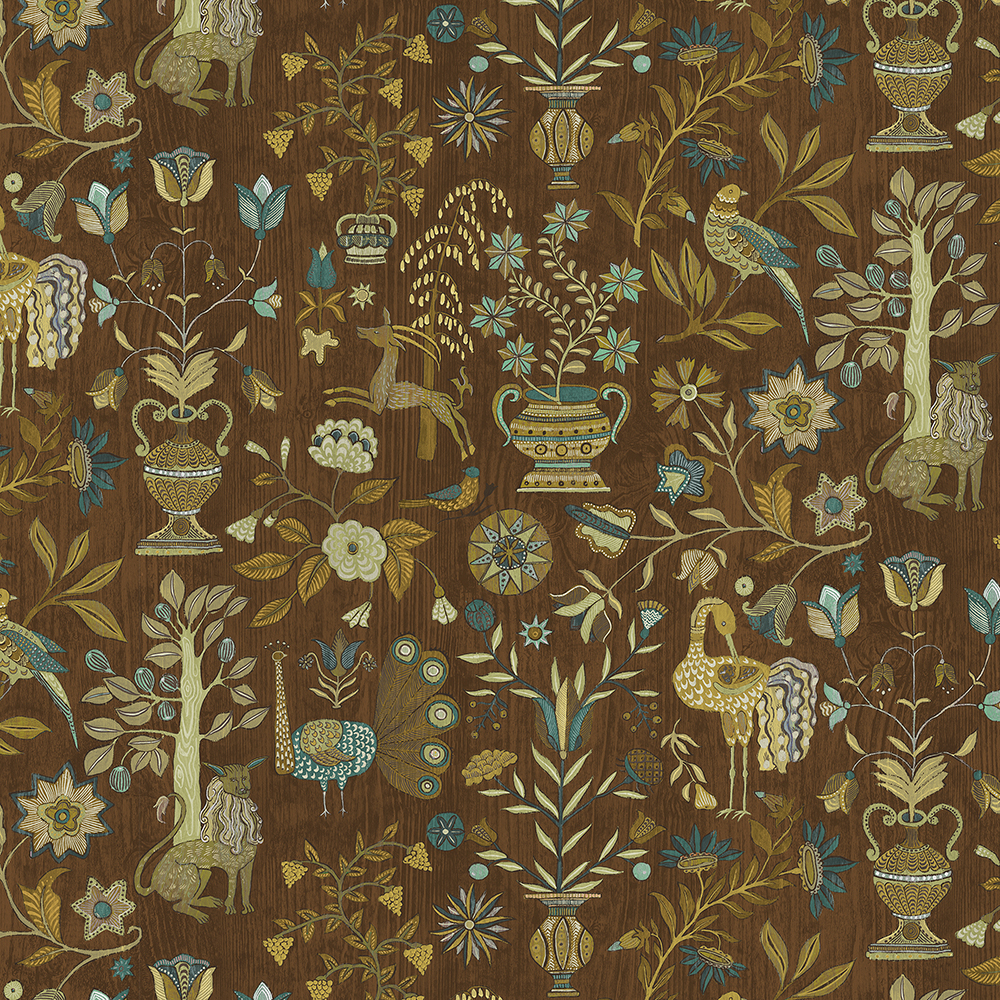
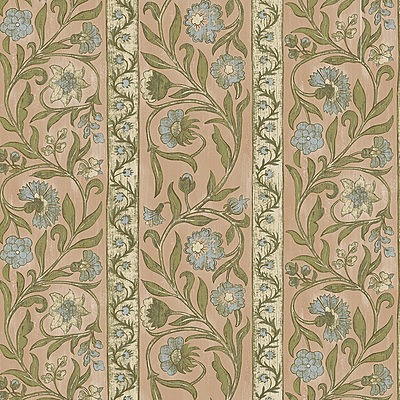
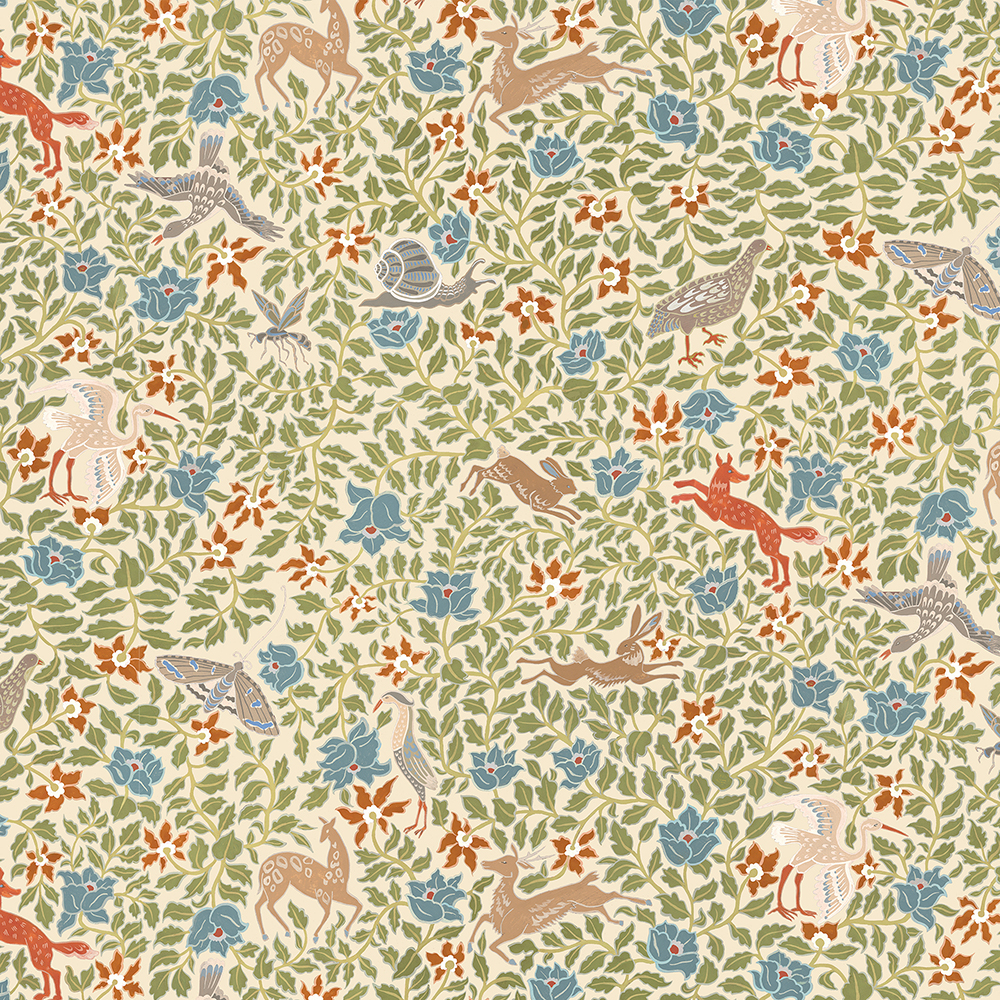
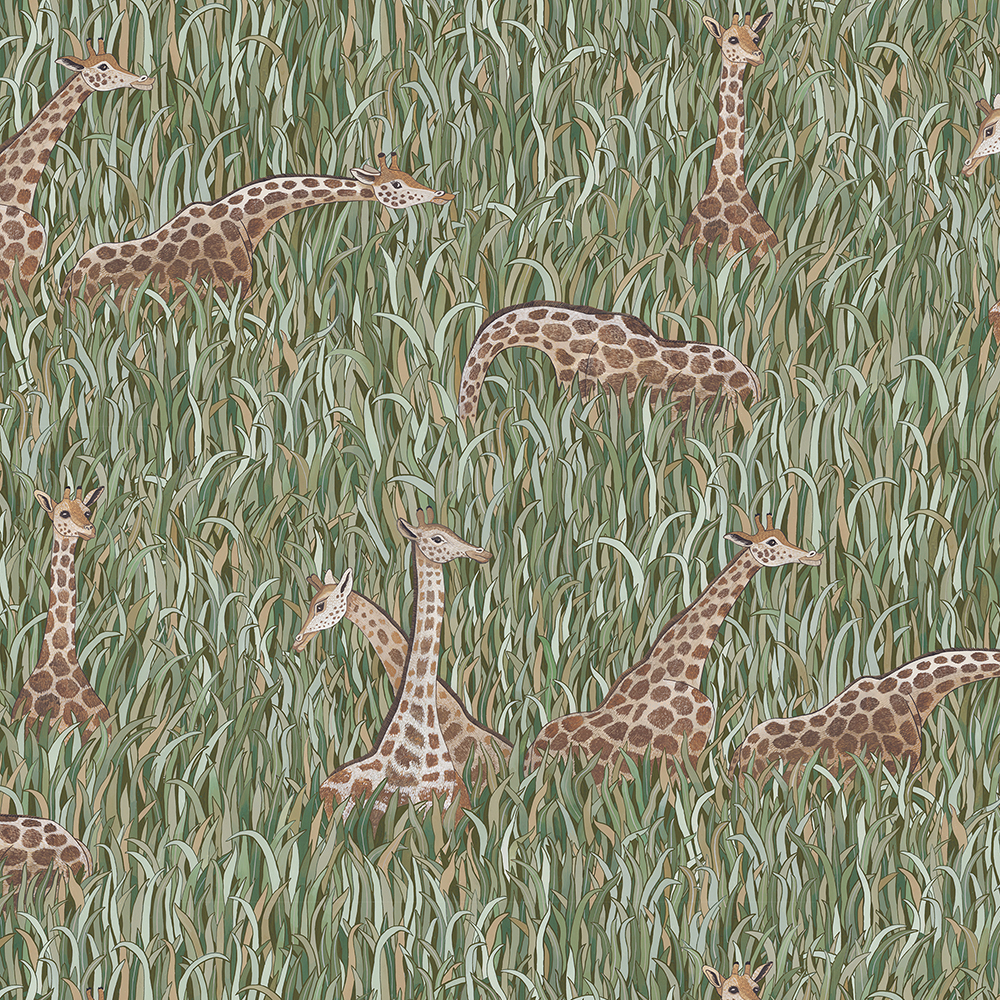
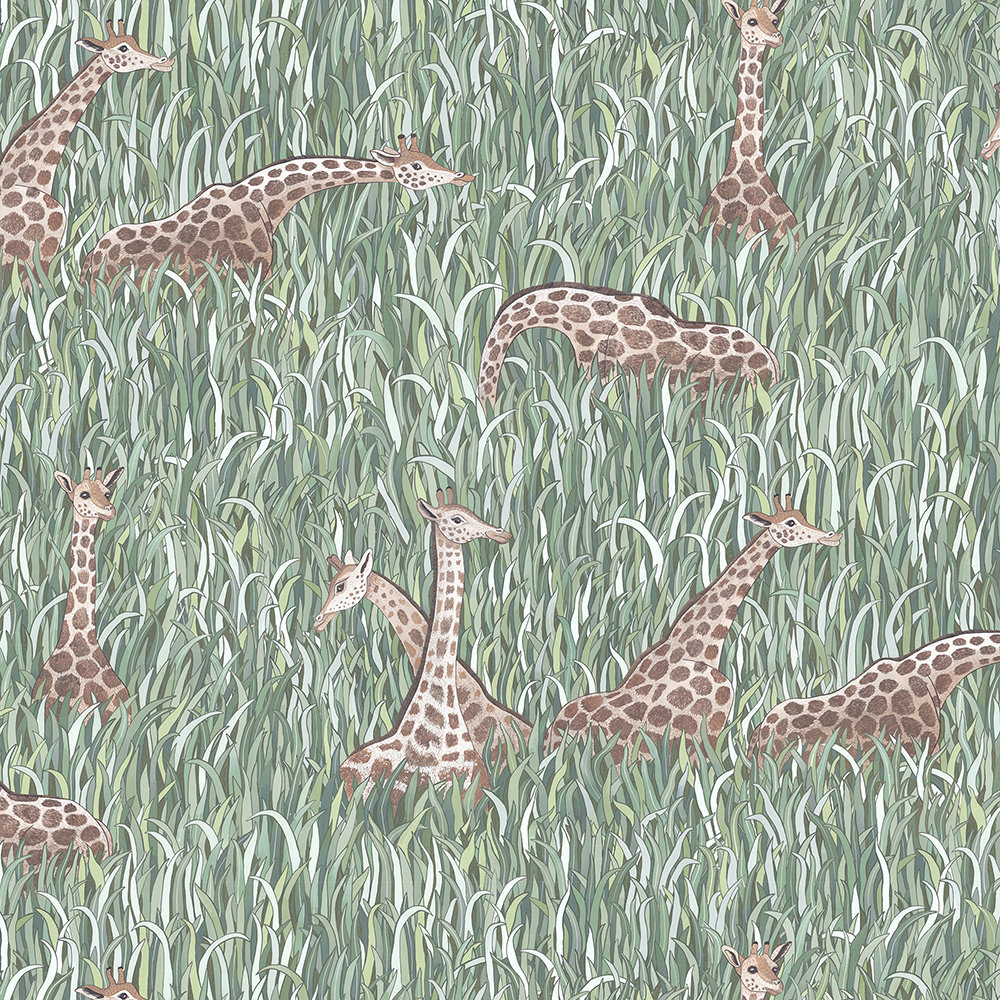
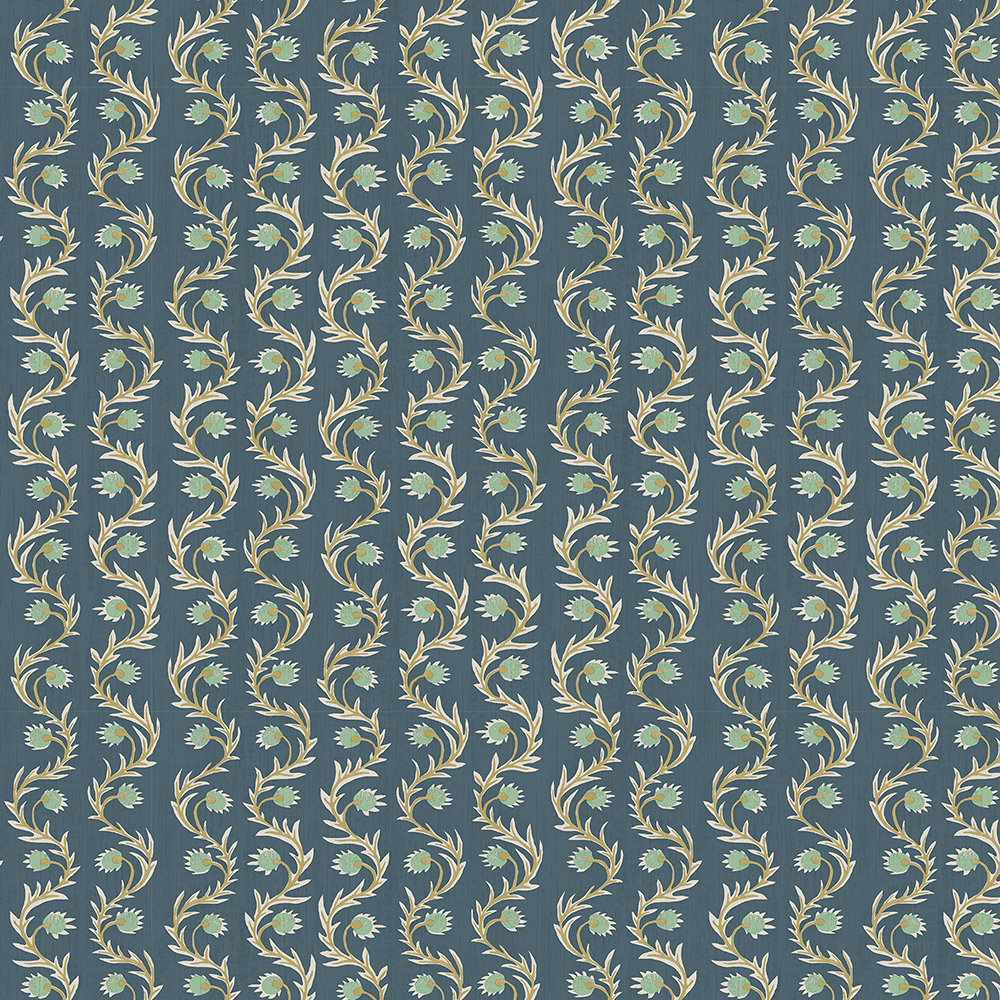
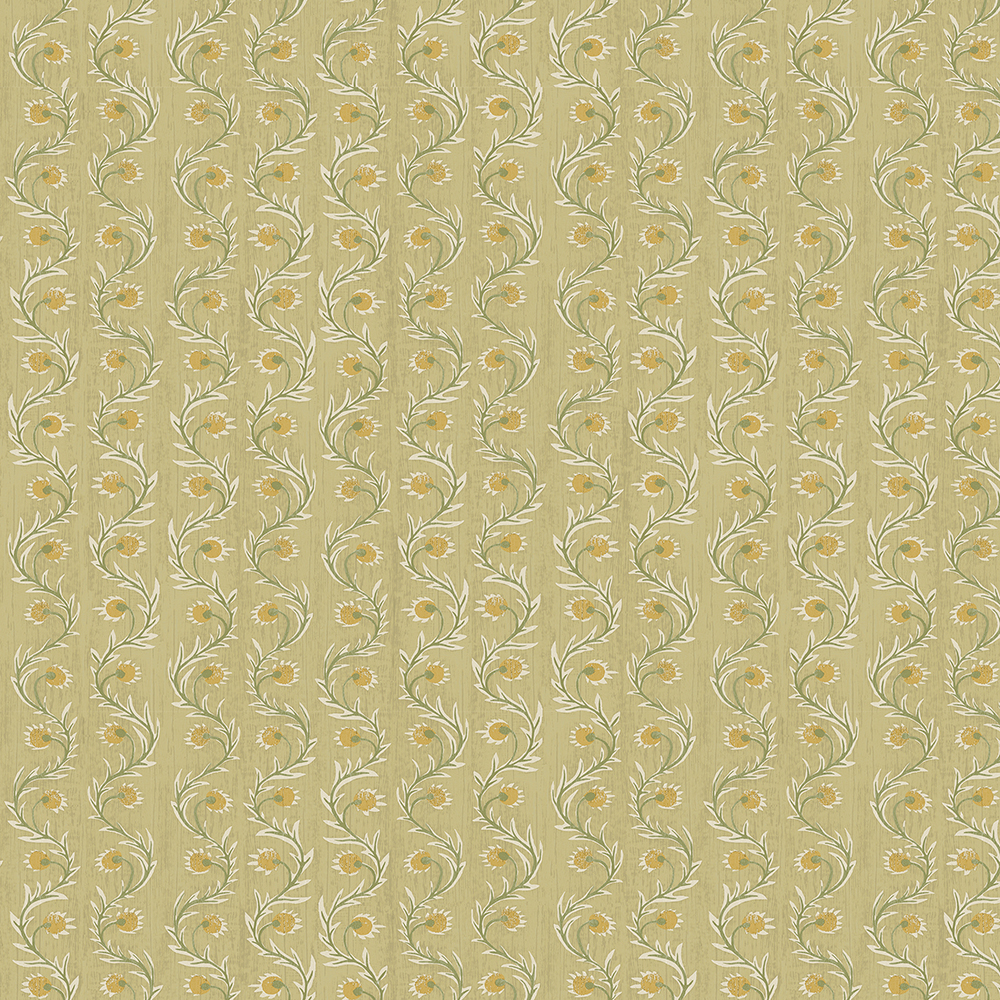
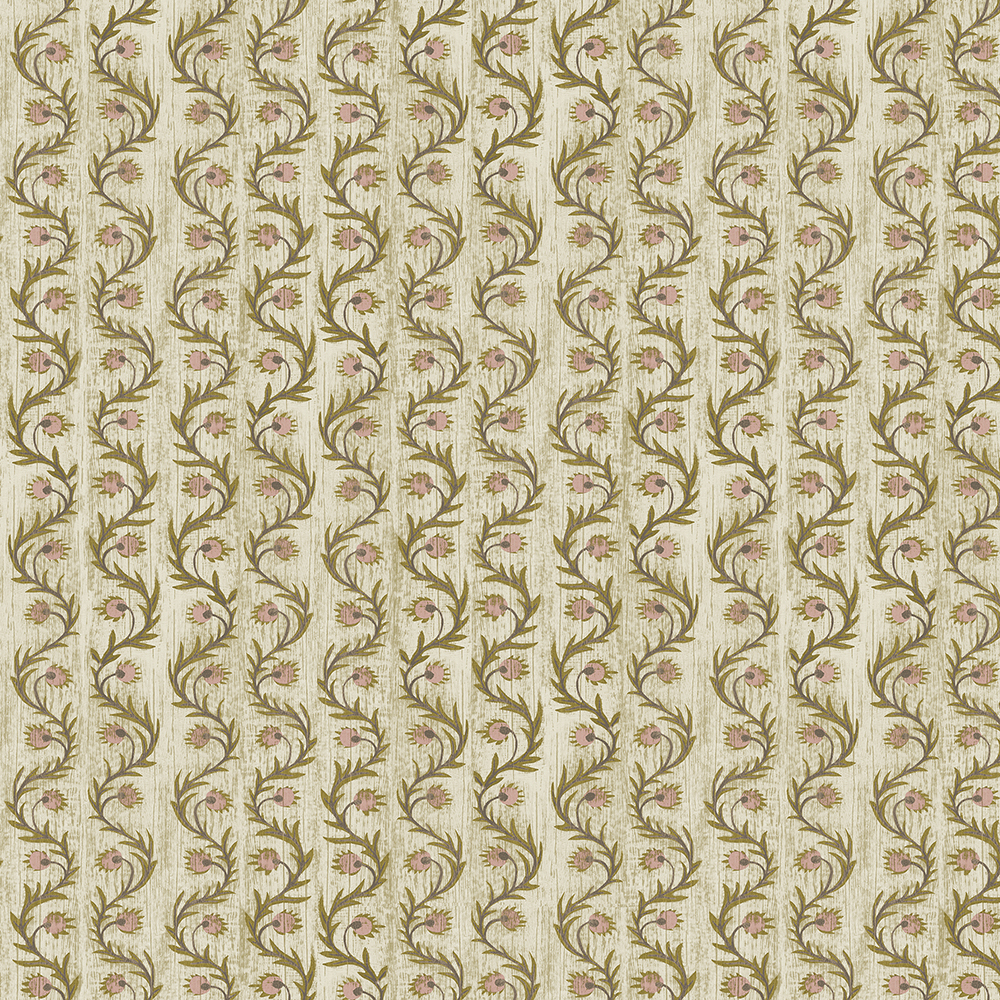
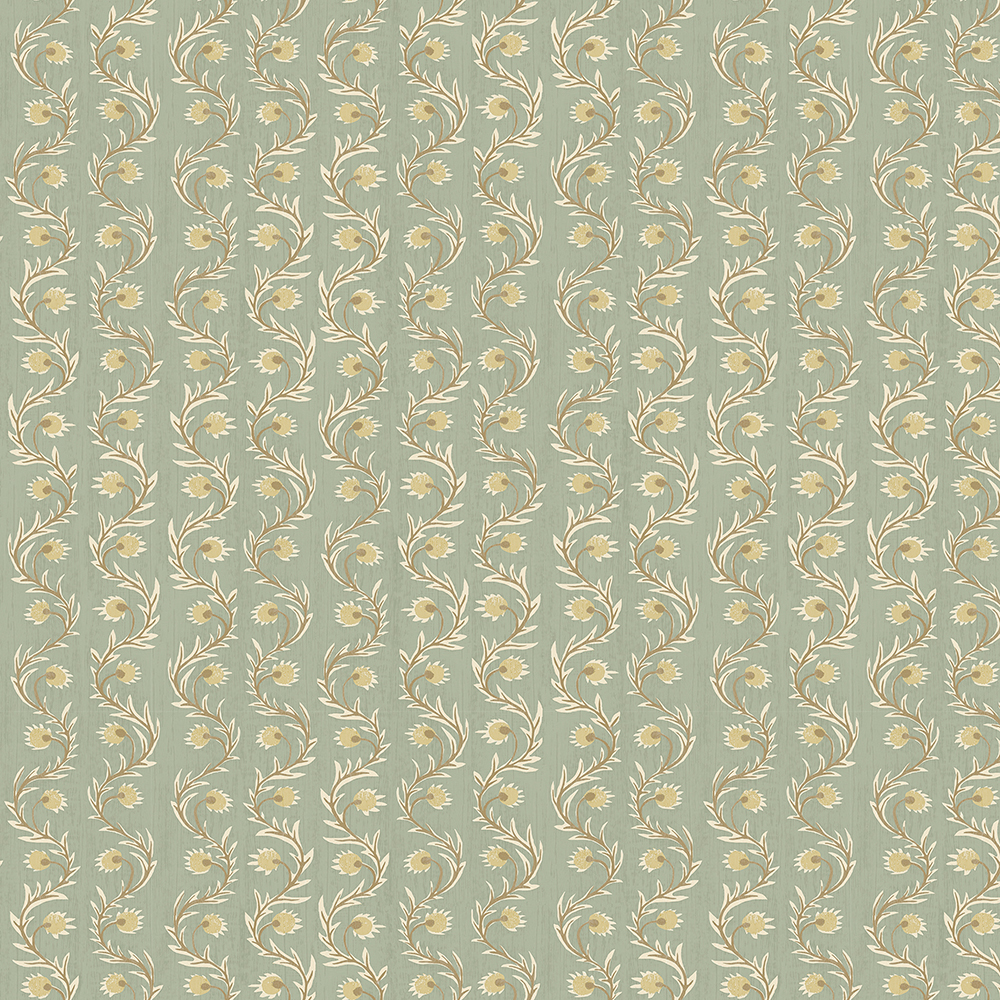
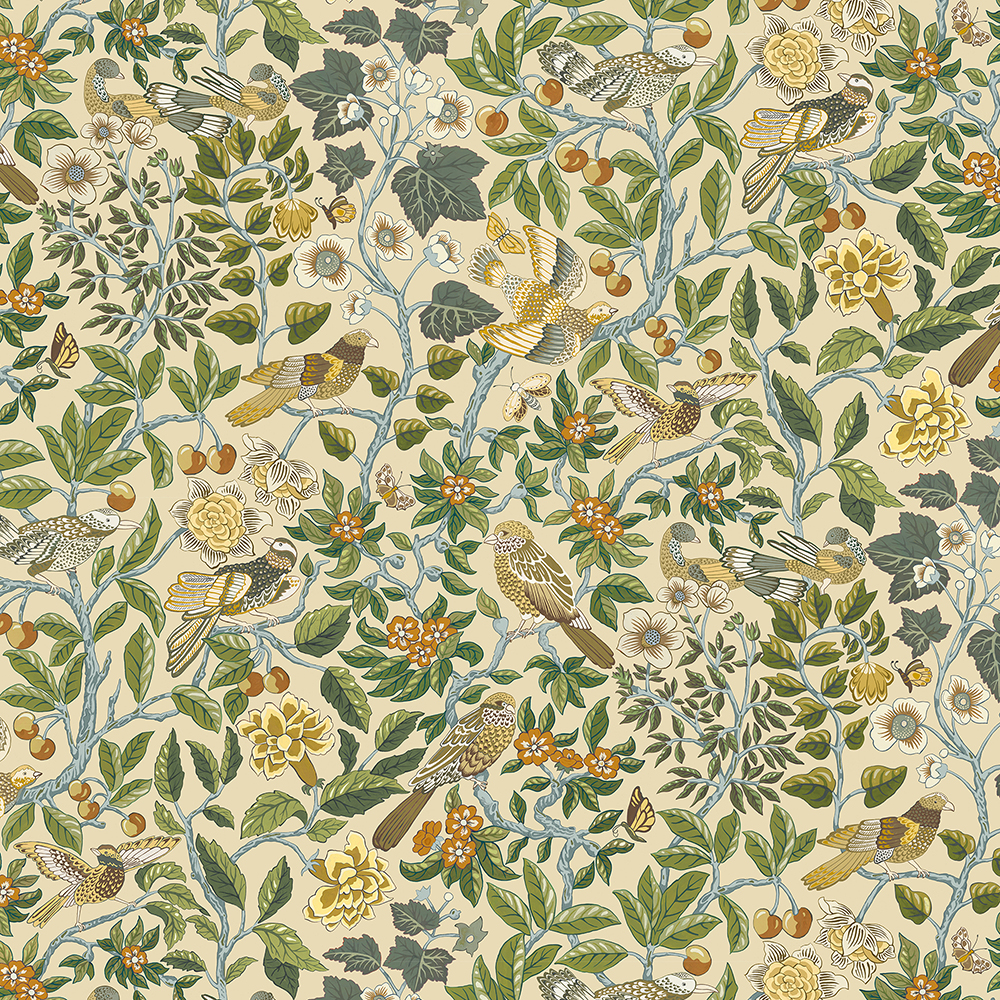
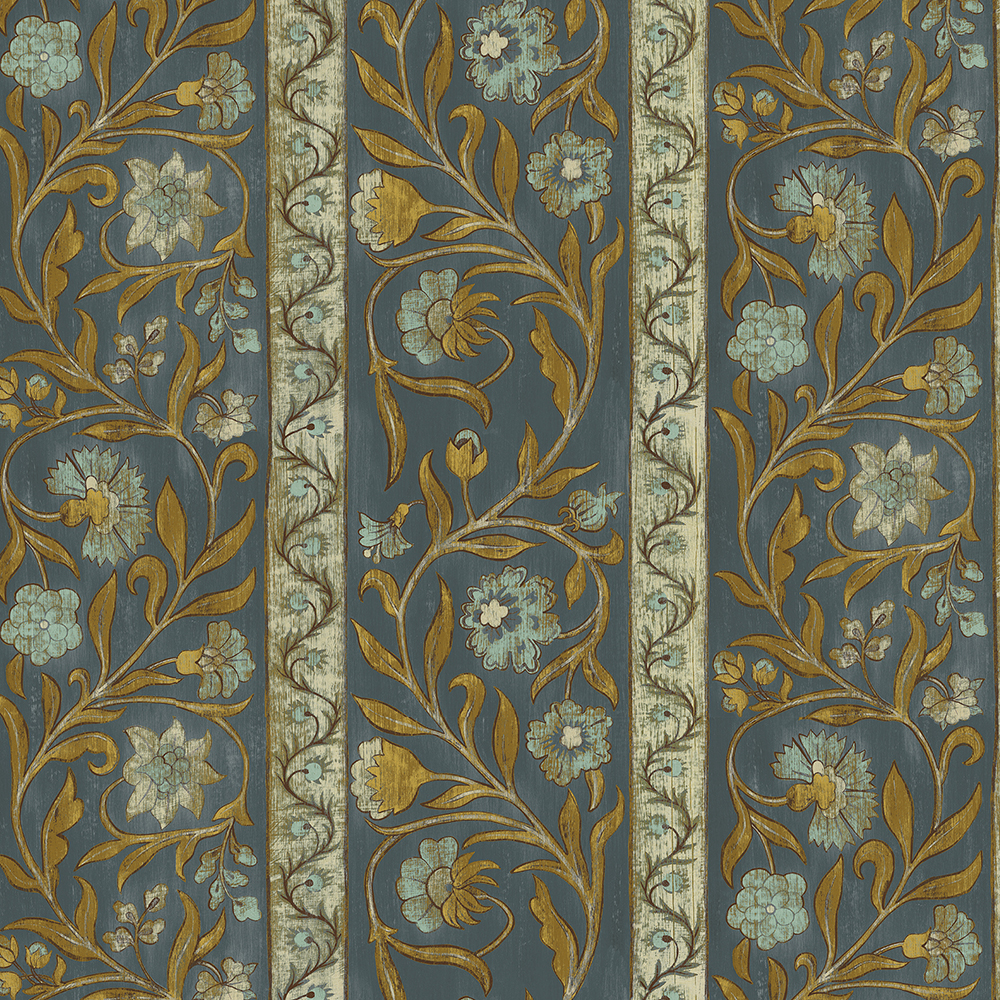
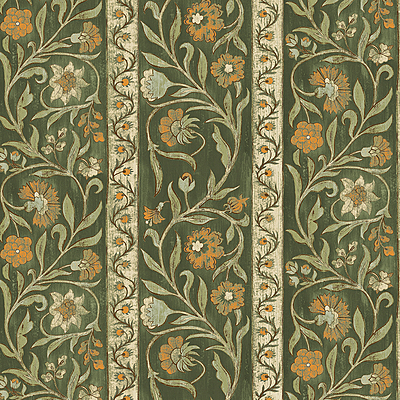
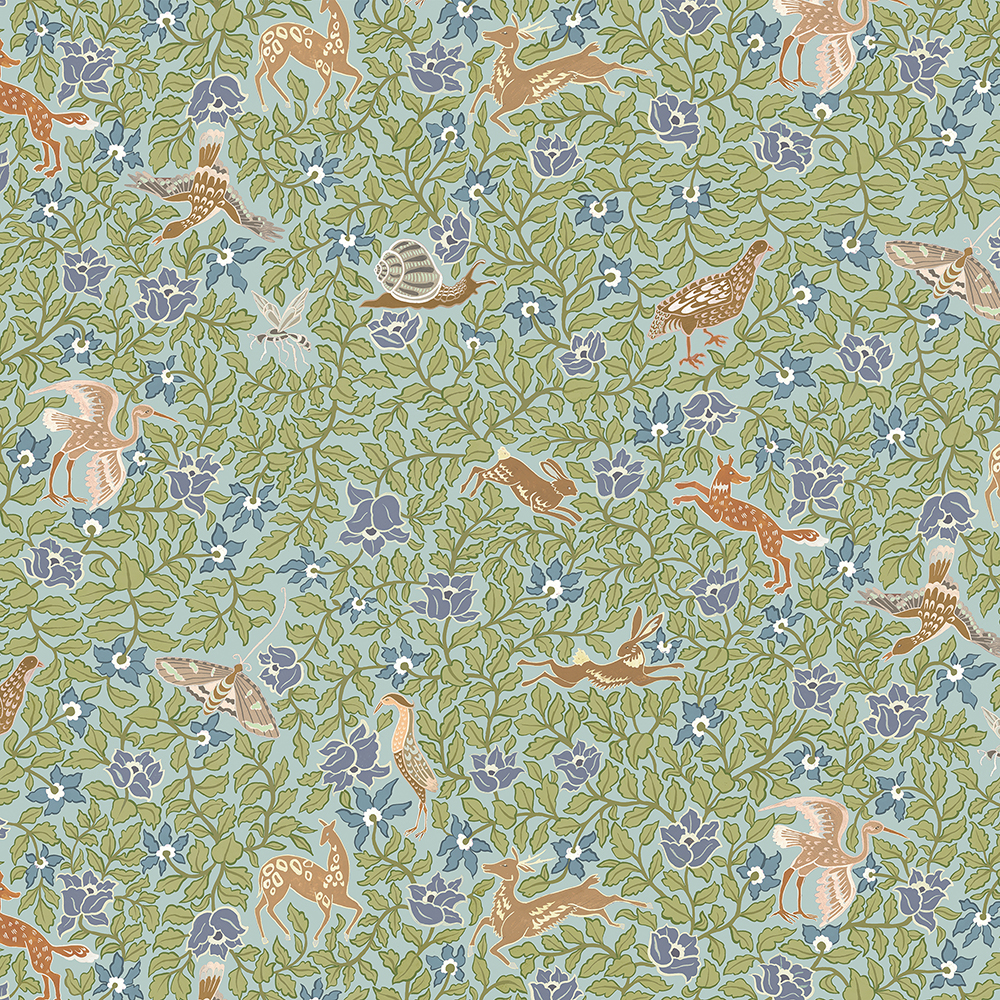
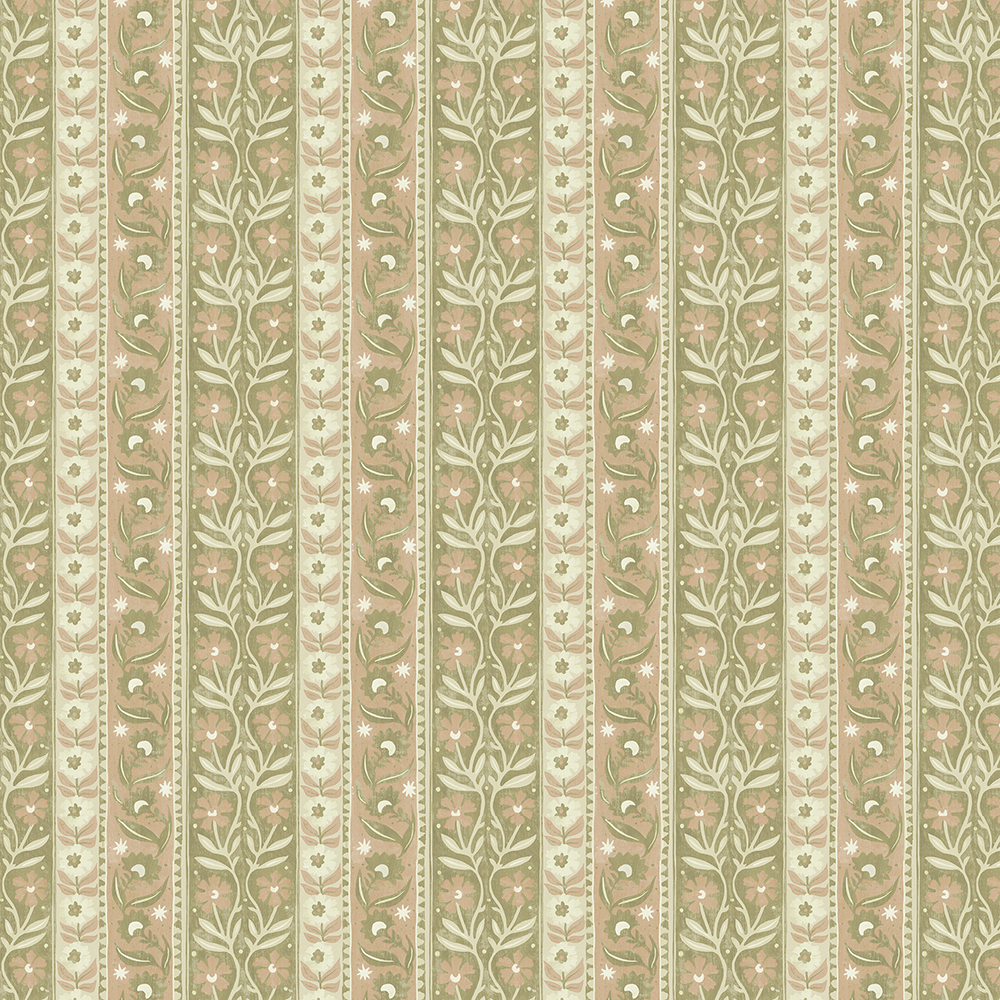
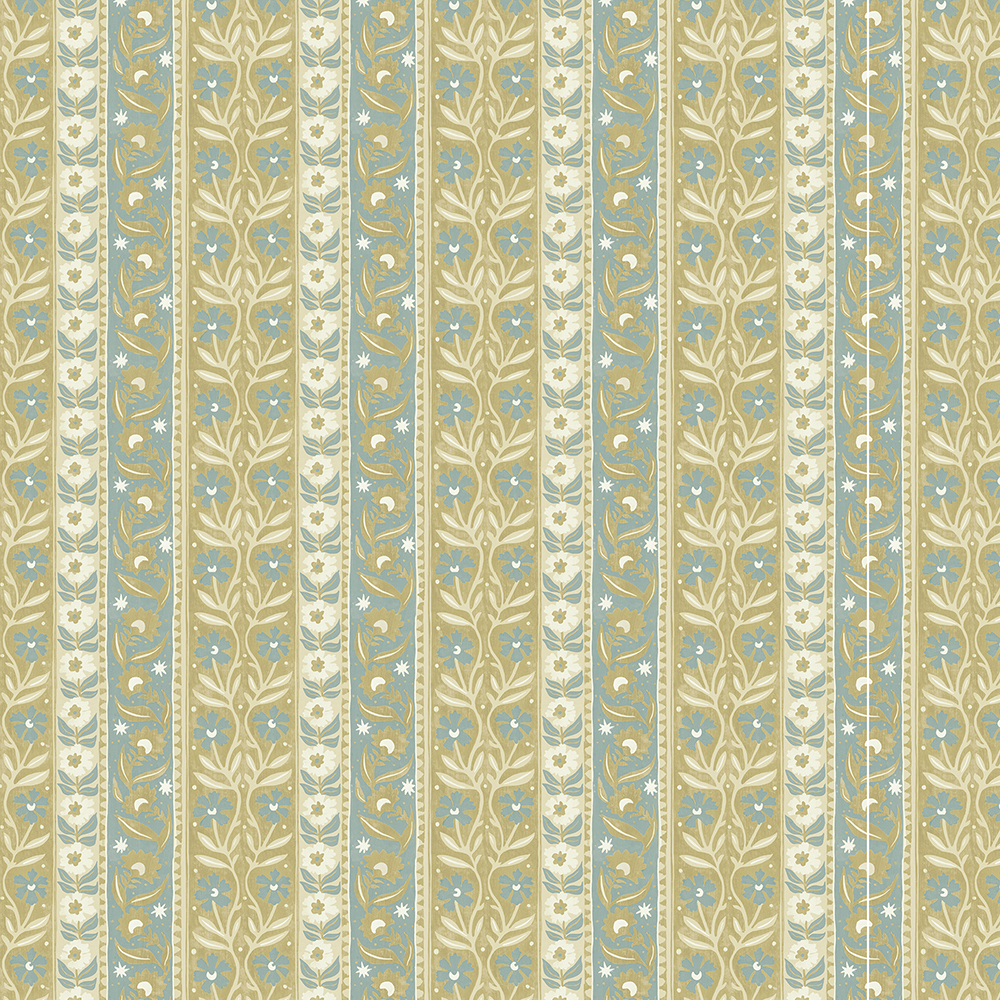
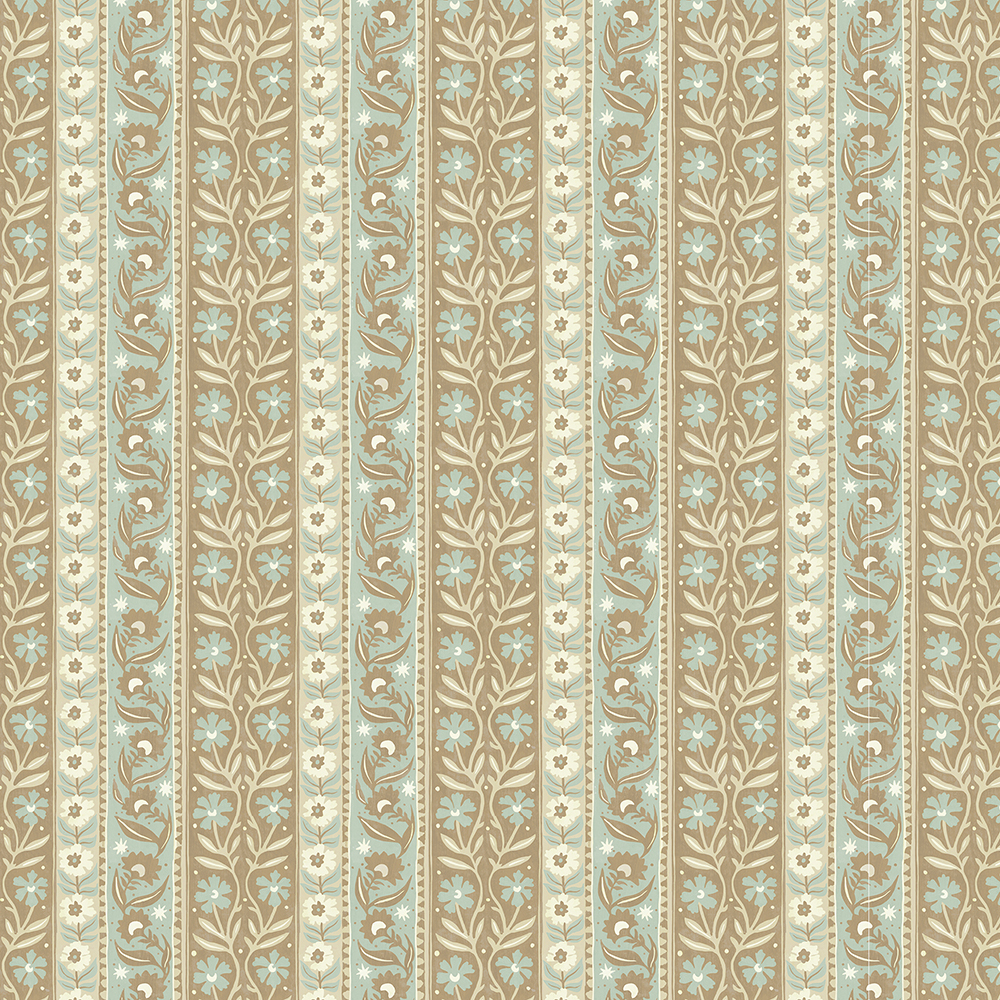
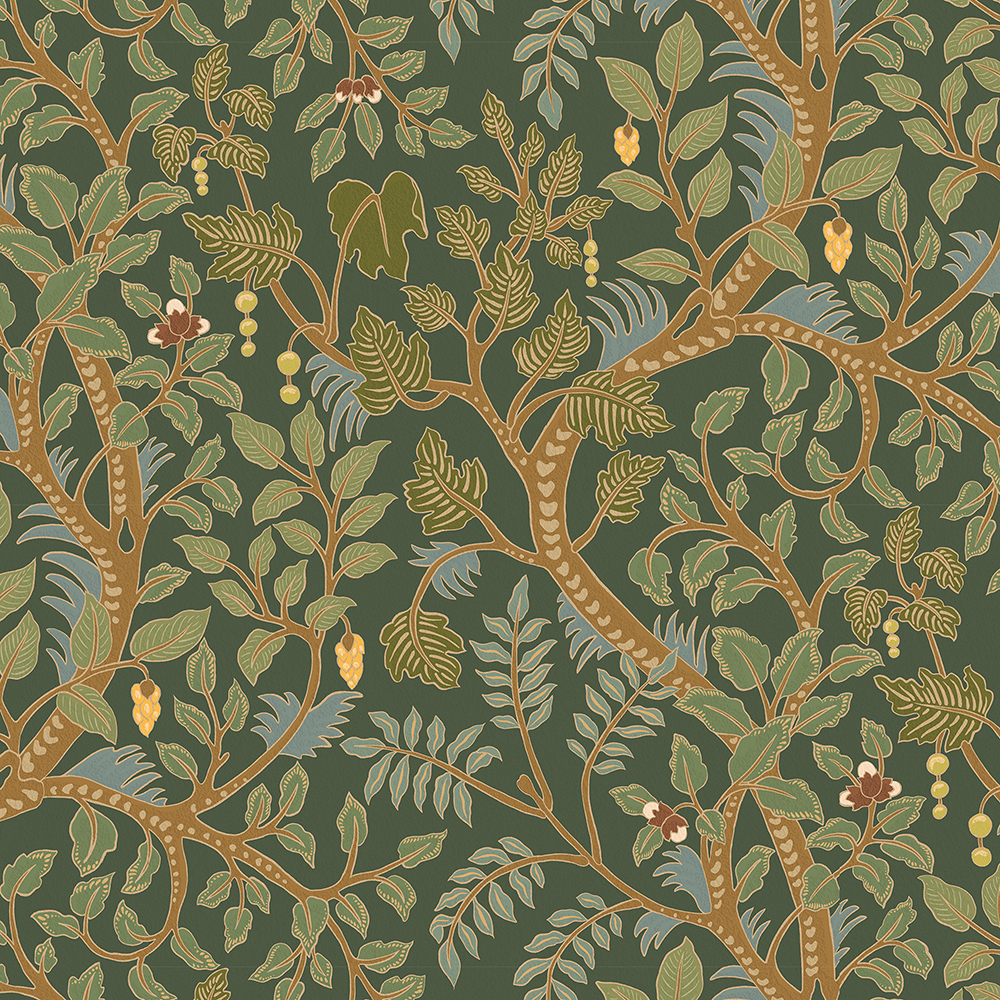
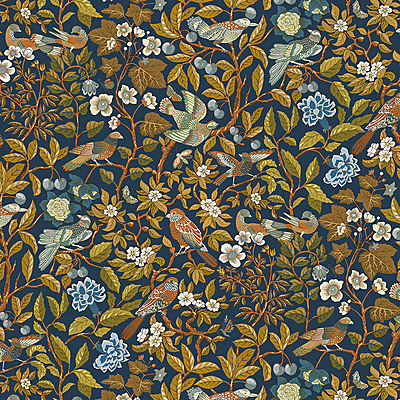
Alma is a collection shaped by folk traditions, devotional objects, and the intimacy of hand-made surfaces. It draws inspiration from Indian ceremonial textiles, early American folk art, European painted furniture, and the decorative language of everyday objects. Across the collection, motifs are simplified, repeated, and reworked through painting, sanding, and layering, allowing the designs to feel worn-in, familiar, and quietly expressive.
A key influence throughout Alma is Chamba Rumal, the reversible embroidery tradition from Himachal Pradesh. These finely stitched textiles often depict mythological scenes, deities, animals, and daily life, rendered with the delicacy of miniature painting. Their balance, symmetry, and narrative clarity strongly informed the collection, particularly in the way motifs are placed and repeated. The idea of a design being readable and beautiful from multiple viewpoints fed directly into my approach to repeat and layout.
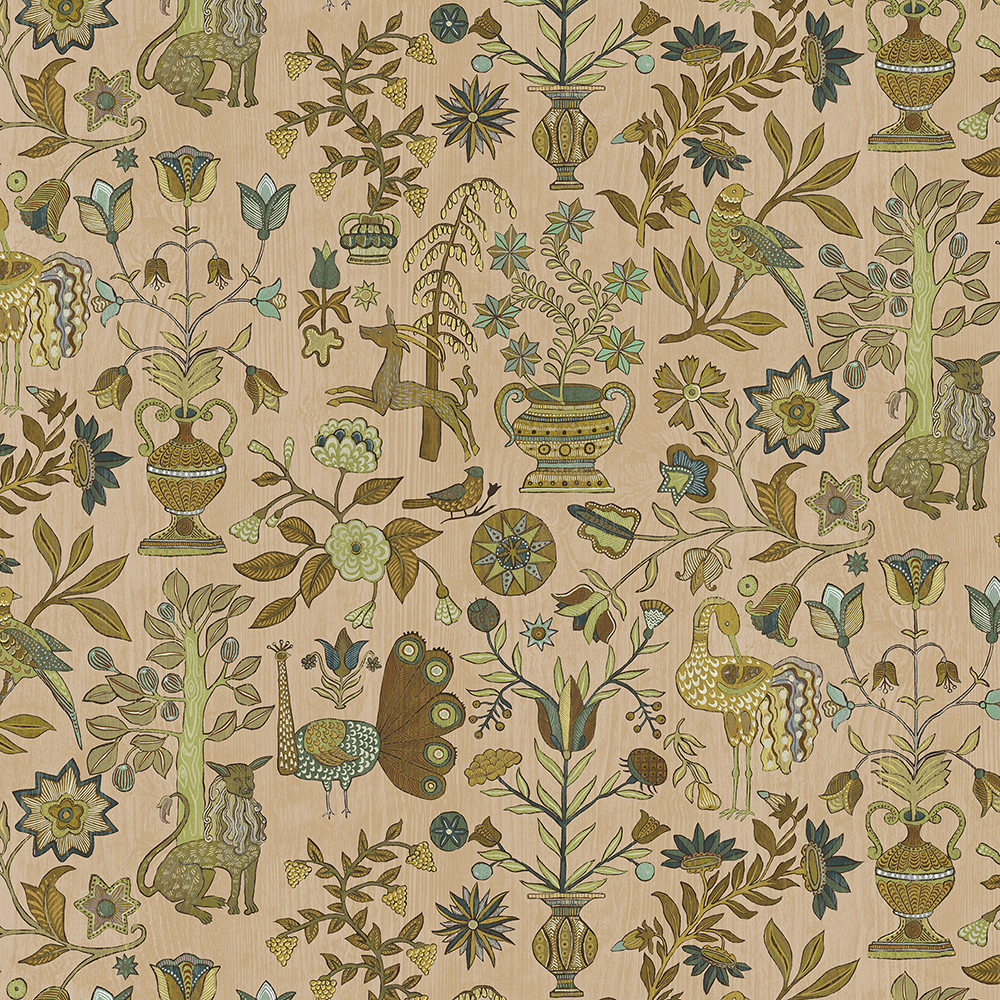
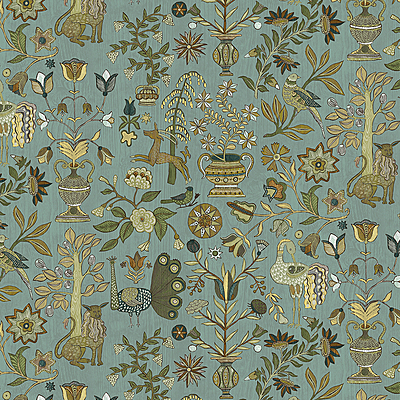
Another important reference is the Kanduri cloths of Uttar Pradesh, devotional appliquéd textiles made as offerings at the shrine of Ghazi Miyan. Their imagery of horses, soldiers, architecture, and symbolic journeys carries a strong sense of storytelling and ritual. That narrative quality, combined with their bold, graphic compositions, influenced the way figures and symbols are arranged across several designs in the collection.
American folk art also played a central role. Visits to museums and archives, particularly collections of painted furniture, naïve animal paintings, and fraktur artworks, informed both motif and surface treatment. I was drawn to the honesty of these works: confident brushstrokes, simplified forms, and decoration intended for daily life rather than display. The idea that pattern could feel personal, imperfect, and lived-in runs through Alma.